The lump
She’s 59. Living in Wisconsin. She finds a lump in her right arm.
It’s growing. Fast.
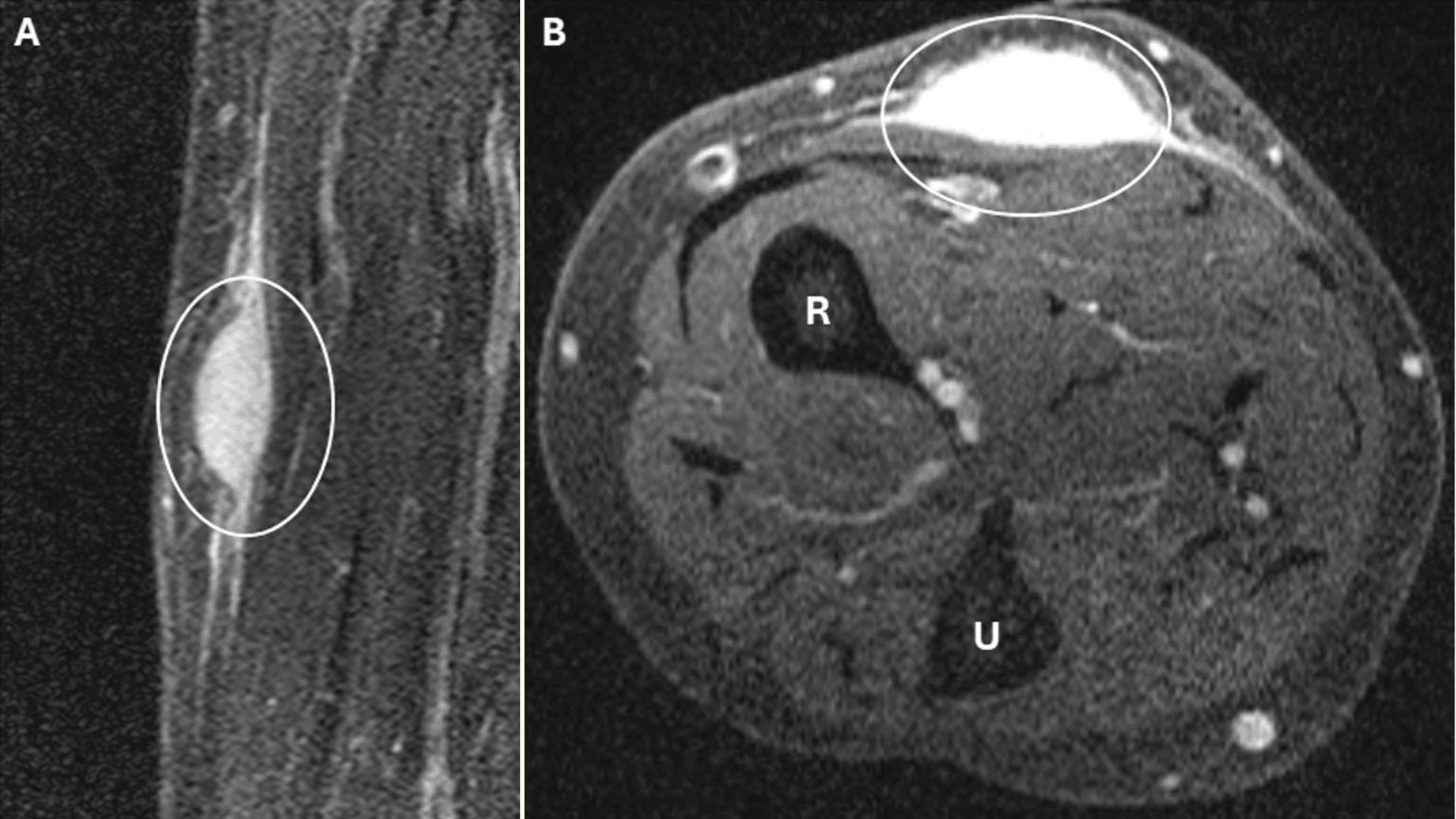
Doctors take a look. A firm, 0.8-inch mass sitting in the forearm. Oval-shaped. Bright white on the MRI. It looks bad. Specifically, it looks like a sarcoma.
If you aren’t familiar with that word, don’t worry. You shouldn’t. It’s rare. Only about 1% of all cancer cases. But it’s cancer anyway. It starts in the bone. Or the fat. Or the muscle. The deep, structural stuff.
They had to be sure. So they did two things. First, a core needle biopsy. A hollow tube pushed into the flesh to grab a chunk. Second, fine needle aspirate. A smaller needle sucking out cells and fluid.
The verdict
The lab results came back. Myxofibrosarcoma. Or MFS for short.
This isn’t even the most common sarcoma. It makes up only 5% to 10%** of that already tiny slice. In the US, maybe a few hundred people get this every year.
Her cells were Grade 2. Middle of the road on the danger scale of 1 to 4. Not the worst. But definitely not harmless. The cells were abnormal enough to demand action.
Then, something weird happened.
The disappearance
Right after the biopsy. While the team was probably filling out paperwork, she called them back. Or noticed it herself. The mass was shrinking.
Suddenly.
In two weeks, it was gone. Not “hard to feel.” Gone. You couldn’t feel it through her skin at all.
You’d think a doctor might shrug here. “Great, nature cured it.” But oncologists don’t shrug. They cut.
They performed a wide local excision. This means they carved out the space where the tumor had lived. Plus a border of healthy tissue around it. Just to be safe.
The goal? Ensure disease control.
Under the microscope, there were no viable cancer cells left. No monsters. Just scar tissue. Inflammation. The kind of mess that follows a fight.
Spontaneous regression
They published this in April. One year later, she’s cancer-free.
The phenomenon has a name. Spontaneous regression.
It sounds like magic. Or a fairy tale. It means the body attacked the cancer so hard the tumor just… vanished. No chemo. No radiation.
But this is rare. Really rare. In the world of sarcomas? Practically mythical. The researchers looked through medical history. Found 32 prior cases. Nine of those were MFS like hers.
Of those 32? Eight of them started right after a biopsy.
Did you catch that? A quarter of these miracles were triggered by a needle poking the tumor.
Here’s the breakdown of the triggers. Some started after a severe infection like pneumonia. Three cases. Others? No idea why they happened.
But the timeline for the biopsy group? Faster. The median time from needle to disappearance was less than a month. Infections took about five months to trigger the immune wake-up call.
The immune trap
How does a biopsy kill a tumor?
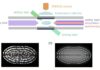
The authors have a theory. Physical disruption. When they broke the tumor’s structure during the sampling, they dumped tumor-related proteins into the blood.
It’s like ringing an alarm bell. The immune system smells something. Then, the body sends healing cells to the wound. Inflammatory cells. Macrophages. Everyone rushes to the site.
This exposure might have exposed the hidden cancer cells to the army outside. Simultaneously boosting the attack on-site. The scarring in her excised tissue supports this. It looked like a battlefield after a siege.
But there is a warning.
“The observation of a regressing sarcoma present a clinical trap. It may temp the clinician to cancel surgery.”
Why? Because you can’t trust it.
Nearly 40% of the resected tissues in biopsy-triggered cases still contained cancer cells. The tumor looked dead clinically, but microscopic remnants were lurking.
Some patients had no signs at all in the removed tissue. Others had lingering cells waiting for the right moment.
The bottom line
Don’t skip surgery just because the lump shrunk. Remove it anyway. Even if it looks gone. You need to make sure every single cell is dead.
The doctors are hoping to figure out exactly why the body does this. If they can replicate the mechanism triggered by that needle prick, maybe we can design a treatment that forces this immune response intentionally.
Right now? It’s just luck.
Or maybe it’s science waiting to happen.
We wait and see. The patient is fine. But for the rest of us? We still need the surgeon.