Look up.
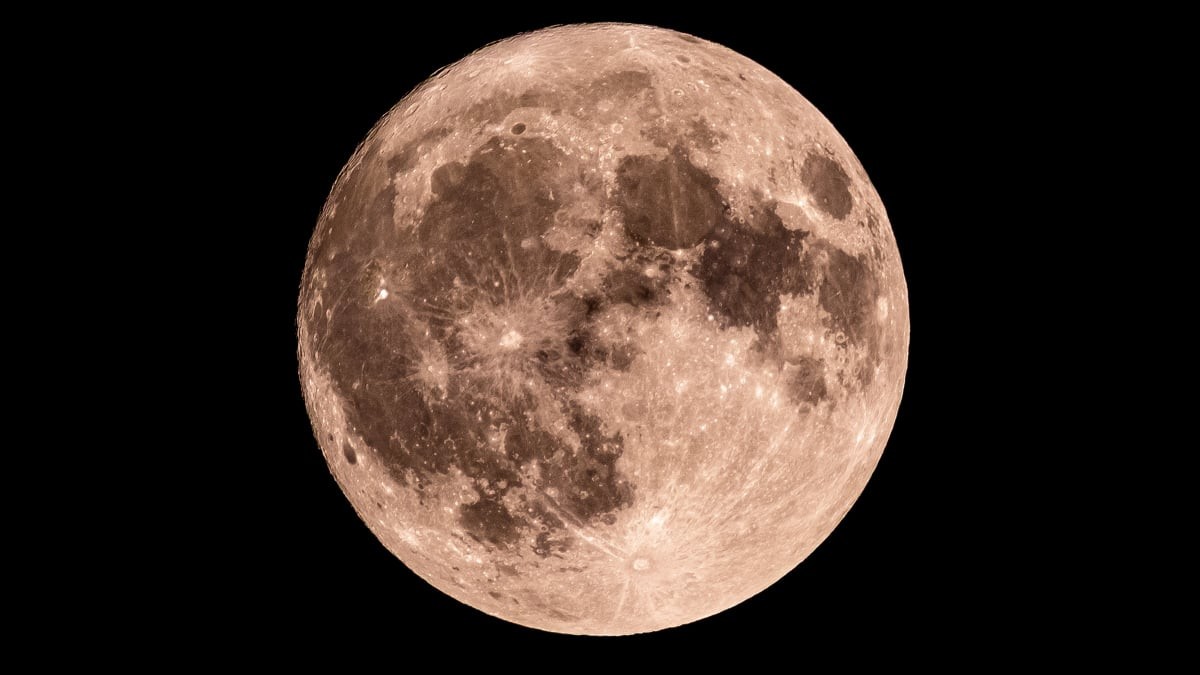
The moon isn’t full. It hasn’t been for a few days, really. But it’s still glowing bright enough that if you want to scan the surface for details, you’re in luck. It’s good viewing weather tonight.
What we’re looking at
It’s June 3. A Wednesday.
The phase is Waning Gibbous.
NASA says it’ll be 92% lit tonight. That’s a lot of light. You don’t even need fancy gear to start poking around.
Kepler Crater is there. Aristarchus Plateau? Yeah. Mare Vaporum is showing off.
Binoculars change the game a bit. Pick up the Clavius Crater and Mare Humorum if you’ve got ’em. Maybe catch a glimpse of the Alphonsus Crater too.
A telescope is a whole different ball game though. You’re looking at the Apollo 14 landing site. Descartes Highlands. The Caucasus Mountains up on a satellite. Why not go for broke.
When is it actually full?
Patience.
The next real Full Moon doesn’t land until June 29. That’s a long stretch.
How the cycle works
NASA breaks it down: The moon orbits Earth every 29.5 days or so. Eight phases total.
We always see the same face, but the sunlight hitting it changes. That shift creates the shapes we recognize. Slim crescents. Half-moons. The bright bulbous full thing. It’s a loop.
“The amount of sunlight we can see changes…”
Here’s the lineup, for the curious:
- New Moon : Between us and the sun. Dark. Invisible basically.
- Waxing Crescent : A sliver on the right. Just getting started.
- First Quarter : Half-lit. Looks exactly what it says.
- Waxing Gibbous : Growing bigger. Almost there but not quite.
- Full Moon : Fully lit. Maximum brightness.
- Waning Gibbous : Right side starts dimming.
- Third Quarter : The other half is lit now. Left side.
- Waning Crescent : Thin sliver left on the side. Then dark.
Does the name really matter? Not really. It still looks like the sky. Just keep an eye on it though, things get dark again soon enough.