NANOG. One word. One gene.
It is the switch.
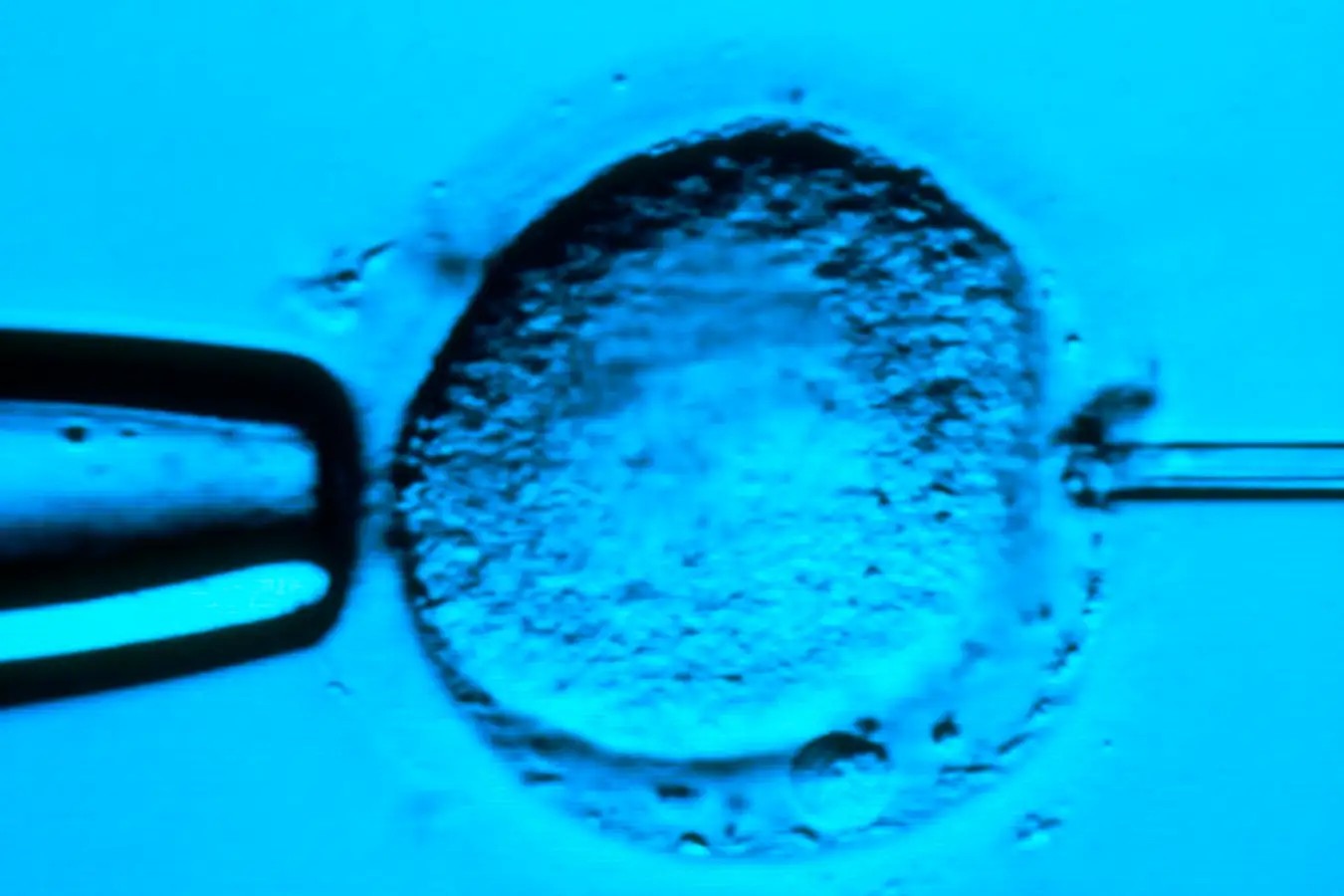
The new discovery identifies it as the controller of human embryonic development. Scientists didn’t just guess this. They used CRISPR base editing to tweak DNA in fertilized eggs with extreme precision.
The implications go beyond the lab. Better IVF success rates. Potential treatments for diseases unrelated to fertility. Kathy Niakan at the University Cambridge puts it bluntly. This matters for stem cells. Regenerative medicine sits on the line. It could change how we live. Or maybe how we age.
A better understanding will help stem cell research… that could have a transformative impact.
Animals gave us the first clue. NANOG was named after Tír na nÓg. The Celtic land of eternal youth. In mice the gene makes stem cells immortal.
But humans aren’t mice.
When a mouse egg is fertilized cells split into three roles. Placenta. Yolk sac. The embryo itself. Niakan’s team disabled NANOG in mouse eggs. No yolk sac progenitors emerged. The technique used was base editing. Not the original CRISPR scissors. It changes single letters in DNA. Less slicing. Less chaos. Fewer accidental chromosomal errors.
Then came the human eggs.
Donated by women seeking IVF. The team disabled NANOG again. The result? None of the cells became part of the embryo body. The activation of this gene kicks off the entire program that builds a person.
It sounds simple.
It isn’t.
Microscopes lie. The embryos looked fine. Normal shape. Standard morphology. Clinicians select for implantation based on these visuals. Yet one in two looks good but fails to implant. Knowing NANOG’s status could fix this gap. A biological truth marker.
We haven’t done this before. Well. We have.
Base editing in human embryos started in 2017. Those embryos were abnormal though. Discarded. Data from trash isn’t the same as data from potential life. Dieter Egli at Columbia tried again recently. Two-cell embryos. Unreviewed paper.
Different goals.
Egli wants to correct diseases. Niakan wants to understand genes.
Our study is about understanding key genes… first time this technique has been used to study gene Function in human embryos.
Egli agrees. The role of NANOG in people differs from mice. Safety profiles look better with base editing too. Much safer than the crude edits used on three children in China.
Safe isn’t ready.
Mary Herbert from Monash University was on the team. She is clear. No gene-edited children yet. Not to stop inherited diseases. Not tomorrow. The tech is too rough. There is unanimous agreement.
Mosaicism kills the dream.
Not all cells get edited. If some escape the scissors the child still carries the mutation. Eighty percent of Egli’s edited embryos were mosaics. Mottled. Broken. Niakan tried earlier. Injected the machinery with sperm. Better. But half the eggs still ended up mosaics.
Robin Lovell-Badge at Francis Crick sees the math. It’s too high. Too risky.
Niakan won’t say never. Ethics today block it. She advocates for more open research. Public discussion.
Maybe next year the number drops to ten percent.
Or maybe it doesn’t.
The switch exists. We know how to flip it. Flipping it cleanly in a whole person is another story entirely.