It’s brighter tonight. Not dazzling. Just… brighter.
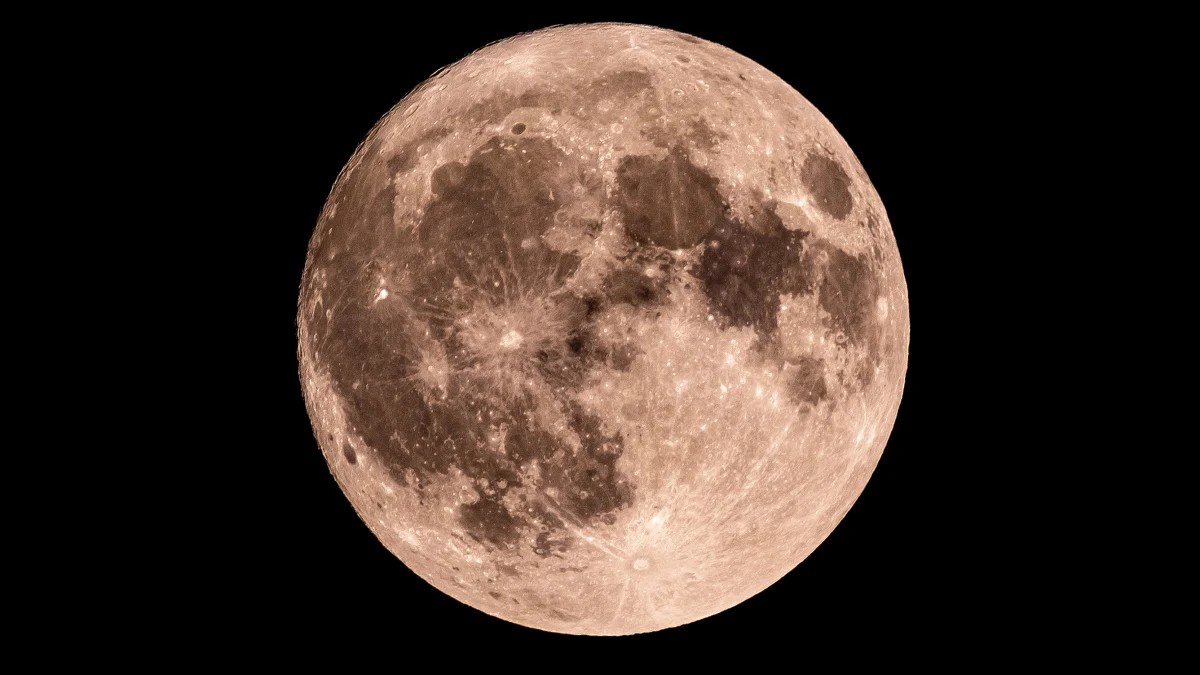
We’re sitting at 59% illumination. According to NASA’s daily guide, the Moon is currently Waxing Gibbous as of Sunday, May 24. It’s got a bit more light on its face than a simple quarter, but it hasn’t reached its full glory yet. It’s building momentum.
You don’t need special gear to see this. You just need eyes and a night sky not choked by clouds. But if you look closer—really look—you can spot specific regions. The Mares Crisium, Tranquillitatis, and Fecunditatis are visible to the naked eye. Binoculars will give you a better shot at the Endymion Crater or the Apennine Mountains. Want more detail? Grab a telescope. The Apollo 16 landing site is out there, along with the Linne Crater and the Rupes Altai ridge.
Why stare at rocks when we can count them down?
Chasing Fullness
There are actually two full moons in May this year.
That’s rare enough to mention. The next one drops on May 31st. It’s the “Blue Moon” of the season. We’re waiting for that complete circle to close the loop. Until then, we watch the shadows retreat.
The Moon isn’t changing its light source. It’s just moving through space.
Why It Looks Different Every Night
NASA says it takes roughly 29.5 days for the Moon to orbit Earth completely.
That’s about a month. During that trip, it passes through eight distinct phases. The side we always see—the “near side”—isn’t changing. What’s changing is the angle of sunlight hitting it. Sunlight stays constant. Our view shifts. This creates the familiar crescent, half, and full shapes we see every night.
Here is how the cycle breaks down:
- New Moon : The Moon sits between Earth and the sun. We see darkness. It is essentially invisible.
- Waxing Crescent : A tiny sliver appears on the right (Northern Hemisphere perspective).
- First Quarter : Half is lit. Looks like a ‘D’ or ‘C’ depending on how you slice it.
- Waxing Gibbous : More than half lit. Not full. Just growing. This is where we are tonight.
- Full Moon : Entire face illuminated. The whole thing lights up the night.
- Waning Gibbous : Light starts disappearing from the right side. The retreat begins.
- Third Quarter : The left half is lit now. A different kind of half-Moon.
- Waning Crescent : Only a thin sliver remains on the left. Then darkness takes it again.
It’s a cycle. Predictable. Reliable.
Does that make it less mysterious?
Probably not. The lights keep shifting anyway. May 31 is coming whether you’re ready or not.