The Surrey Wildlife Trust has launched a major fundraising initiative aimed at reversing the decline of local biodiversity. With a target of £40,000, the charity intends to transform residential areas—including gardens, streets, and public spaces—into interconnected corridors that allow wildlife to thrive once again.
The Problem: Fragmented Landscapes and Declining Species
The initiative comes at a critical time for the region’s ecology. For decades, urban and suburban development has inadvertently created “islands” of habitat, separated by vast stretches of inhospitable territory.
According to a 2017 report by the Trust, one-third of Surrey’s species are in serious decline. Some animals, such as the wryneck and the pine marten, have already vanished from the county entirely. This loss is driven by several interconnected factors:
– Poorly planned development that breaks up natural habitats.
– The overuse of pesticides, which decimates insect populations.
– The rise of “sterile” outdoor spaces, such as manicured lawns that offer little to no food or shelter for pollinators and mammals.
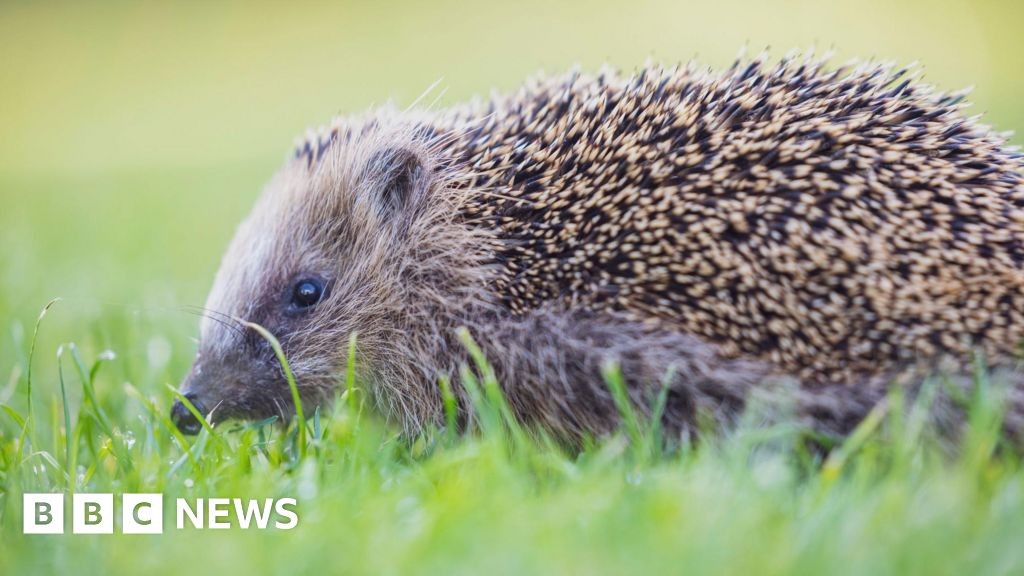
When habitats are disconnected, species like hedgehogs, frogs, and swifts struggle to find food, mates, and safe passage, leading to localized extinctions.
The Strategy: Turning Gardens into Wildlife Corridors
Rather than focusing solely on large nature reserves, the Trust is targeting the “human” landscape. By working within towns such as Farnham, Guildford, and Dorking, the campaign aims to turn private and communal spaces into a functional network of wildlife-rich zones.
The £40,000 fund will be directed toward several key pillars:
- Community Empowerment: Assisting schools, local landowners, and community groups in building and maintaining their own habitats.
- Habitat Connectivity: Encouraging the creation of “hedgehog highways”—small gaps in fences that allow small mammals to move between gardens—and providing nesting sites for birds.
- Biodiversity-Friendly Gardening: Promoting insect-rich planting to support pollinators and restore the “buzz” of local ecosystems.
- Education and Youth Engagement: Investing in programs to ensure the next generation has the tools and knowledge to manage nature at home.
- Citizen Science: Training residents to conduct simple population surveys and record species data, providing the Trust with vital information to track ecological recovery.
Why This Matters
This campaign represents a shift in conservation philosophy: moving from protecting isolated pockets of nature to integrating wildlife into the very fabric of human living spaces. By turning gardens into “stepping stones,” the Trust hopes to create a continuous web of life that allows species to migrate and adapt to changing environments.
“Within living memory, our streets, parks and gardens were alive with buzzing insects, hopping frogs, singing birds and bustling hedgehogs,” says Claire Harris of the Surrey Wildlife Trust. “If more people work with us… we’ll bring the joys and benefits nature provides back to our daily lives.”
Conclusion
By bridging the gap between urban living and the natural world, the Surrey Wildlife Trust seeks to transform fragmented gardens into a unified sanctuary for the county’s disappearing species.