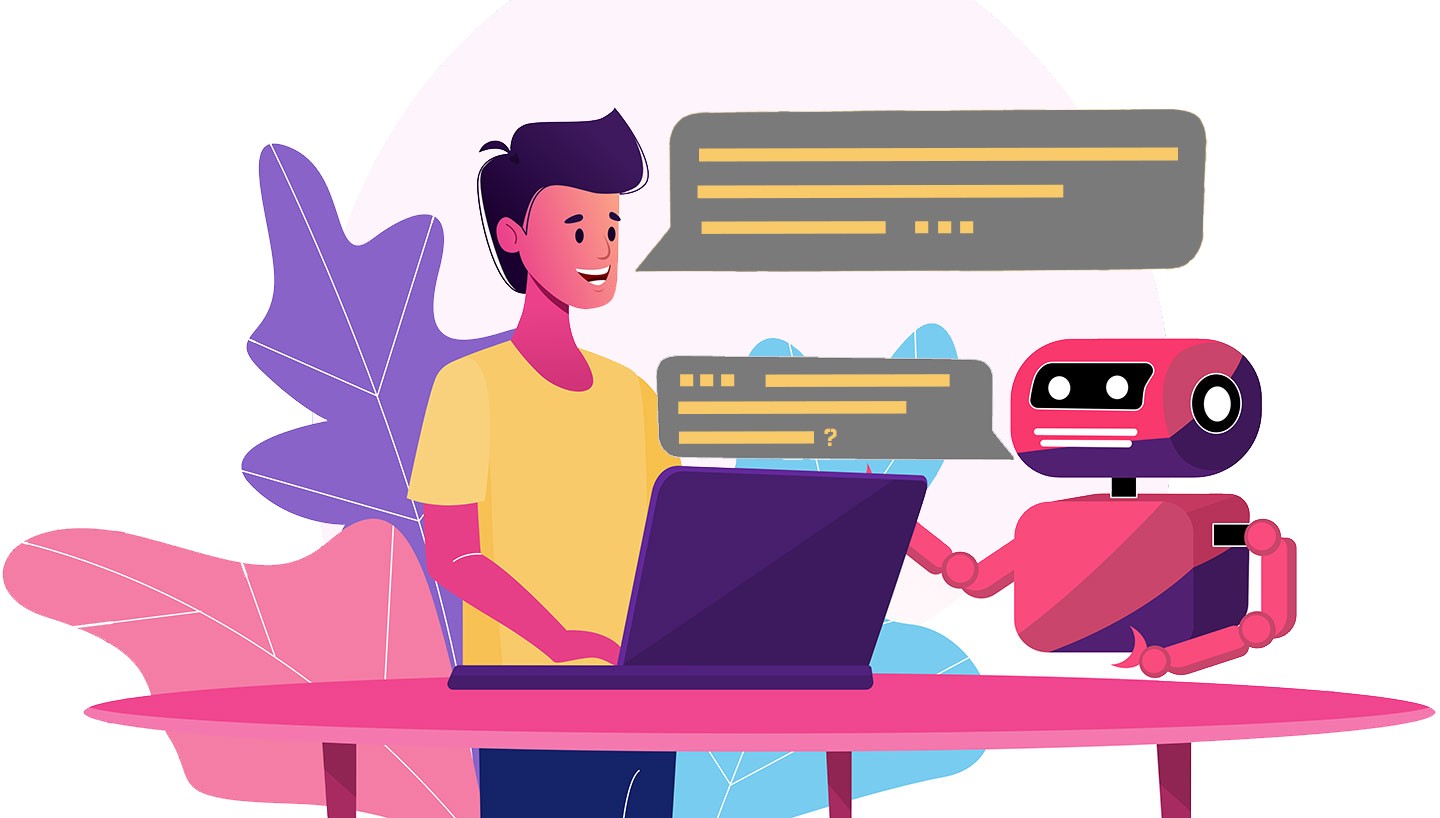
As artificial intelligence becomes deeply integrated into our daily digital interactions, a subtle but significant concern is emerging: the potential for AI to quietly influence how we think and perceive the world. While many view AI tools as mere assistants, the way these systems suggest text and information may be doing more than just saving time—it may be subtly guiding our viewpoints.
The Mechanics of Suggestion
At the heart of this issue are AI models —sophisticated algorithms trained on massive datasets to predict and generate human-like responses. When we use a chatbot or an auto-complete feature in an email, the software isn’t just “thinking”; it is calculating the most statistically likely next word or phrase based on its training.
This process creates a feedback loop:
– User Input: A person starts a sentence or asks a question.
– AI Suggestion: The model provides a “best guess” completion.
– User Adoption: The user, often seeking efficiency, accepts the suggestion.
The danger lies in the fact that these suggestions are not neutral. Because they are built on existing data, they carry the inherent biases of that data, often reflecting specific cultural, social, or political perspectives.
The Risk of Subtle Bias
Unlike blatant misinformation, the influence of AI is often subtle. It doesn’t necessarily tell a lie; instead, it nudges the user toward a specific way of phrasing a thought or a specific direction of reasoning. This can lead to several critical issues:
1. Cognitive Narrowing
When an AI consistently suggests certain words or viewpoints, users may unconsciously adopt those patterns. Over time, this can limit the diversity of thought and language, as people begin to communicate in ways that align with the “average” or “most likely” output of a machine.
2. The Illusion of Objectivity
Because AI is a mathematical model, users often perceive its outputs as objective or “fact-based.” However, if the underlying data is skewed, the AI will reflect those skews under the guise of neutral automation. This can lead to a false sense of certainty regarding topics that are actually complex or subjective.
3. Hallucinations and Misinformation
AI models are prone to hallucinating —generating information that sounds confident and logical but is factually incorrect. When these errors are delivered through an auto-complete function, they can be integrated into a user’s work or communication before the error is even detected.
Why This Matters for Society
This isn’t just a technical glitch; it is a social and psychological phenomenon. As we delegate more of our cognitive tasks—such as drafting reports, answering emails, or even formulating arguments—to algorithms, we risk outsourcing our critical thinking.
If the “path of least resistance” provided by AI is consistently biased, we may find ourselves living in an intellectual echo chamber, where our views are not being challenged, but rather reinforced and shaped by the very tools meant to assist us.
Conclusion
As AI auto-complete becomes a standard part of our digital lives, we must recognize that these tools are not neutral mirrors of reality, but active participants in our communication. Maintaining critical awareness is essential to ensure that convenience does not come at the cost of independent thought.