The endgame wasn’t lonely.
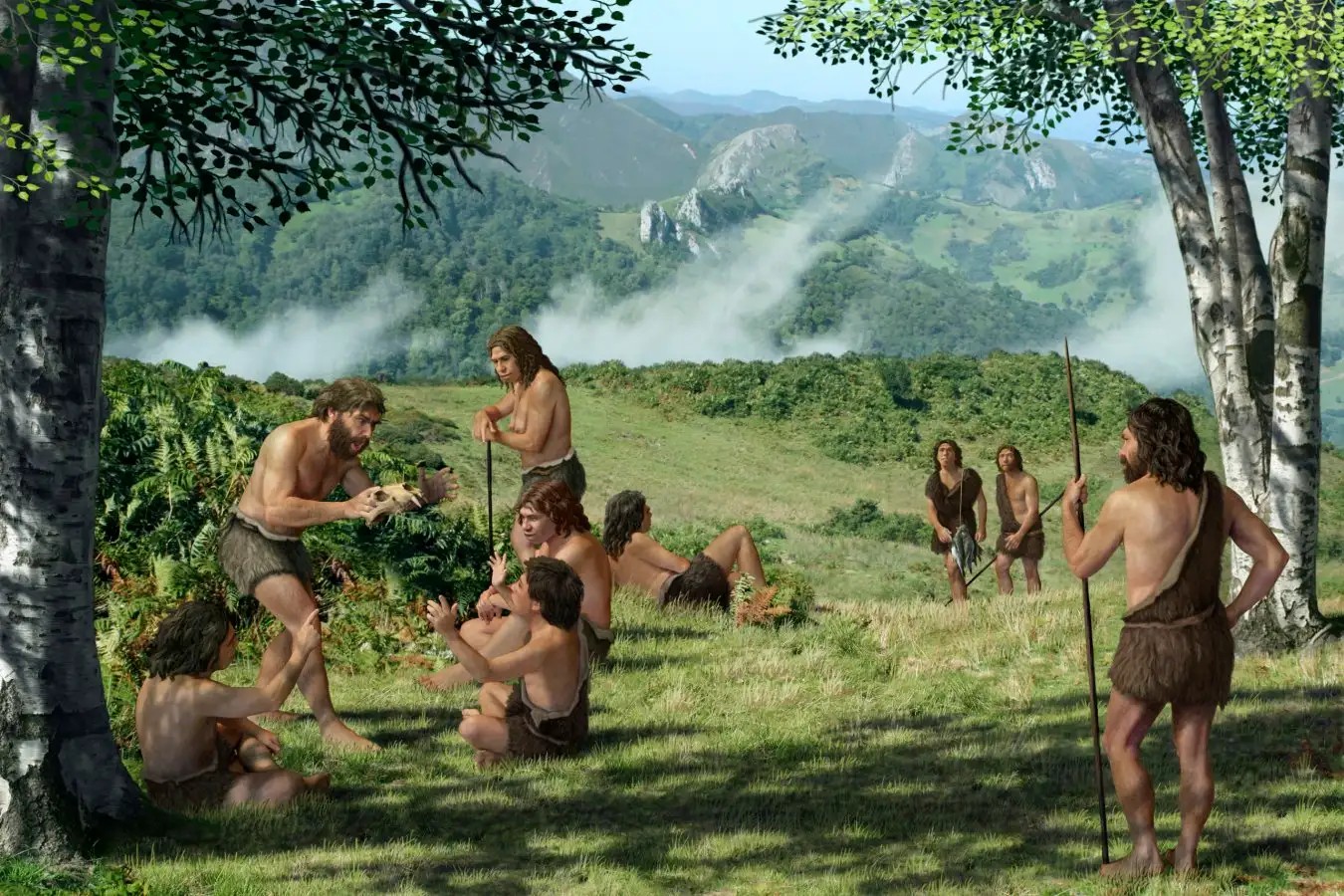
Some of the final Neanderthals lingering in north-western Europe lived in groups that were actually pretty connected. They had decent genetic variety. Which means the usual suspect—inbreeding depression leading to collapse—might be a red herring when it comes to why they vanished forty thousand years ago.
A Fresh Look at Old Bones
Genetic history has always been stingy. For years, we barely had any good DNA. Four high-quality genomes total. Three from Siberia. That’s the edge of the map. It suggested that as their numbers shrank, so did their genetic diversity, trapping them in a loop of mating with close relatives until they couldn’t compete.
Alba Bossoms Mesa from the Max Planck Institute didn’t buy it. Not fully. She and her team went to Belgium and France. They sequenced twenty-seven Neanderthal remains dating back to the last gasp of the species, roughly forty thousand to fifty-two thousand years ago. One standout? A woman from the Goyet cave in Belgium who met a gruesome end—cannibalised—and whose genome survived in high resolution.
Chris Stringer at the London Natural History Museum calls it big news. These genomes come from the twilight of the Neanderthal world. They offer a peek right before the curtain dropped.
Connected, Not Isolated
The results? No spike in harmful mutations. No crumbling genetic health.
Eleven distinct individuals identified. Sure, their diversity was lower than the humans scurrying around at the same time, but it wasn’t collapsing. Bossoms Mesa points out the contrast sharply. The Siberian groups in the Altai mountains? They looked like a bunch of cousins mating. These western neighbors? More variety. Much more.
They clustered together genetically. Separated from the cousins in Croatia and southern Russia about fifty-four thousand years prior.
So maybe the Altai group was the anomaly. A small, trapped outpost. The Neanderthals in the west, however, appear to have been part of a broader, well-linked population. Different regions. Different fates. Profound ecological shifts probably reshuffled their demographics in ways we’re only beginning to parse.
No Intimacy With Homo Sapiens
Then comes the awkward silence.
Modern humans walked into Europe around forty-seven thousand years ago. They overlapped. For generations. We know humans and Neanderthals slept together elsewhere—our genomes prove it, it’s baked into our DNA. But in these specific Belgian and French samples? Nothing. Not a trace of human gene flow.
Why?
Tharsika Vimala from UC Berkeley admits it’s a head-scratcher. Bossoms Mesa tosses around possibilities. Maybe the flirting happened elsewhere, like in the Levant. Maybe there was a social wall, a barrier to interaction. Or maybe the biology just didn’t cooperate—hybrid incompatibility where mixed babies didn’t survive, or were simply raised outside the Neanderthal fold.
Stringer prefers a darker, more linear narrative. A one-way street. He argues Neanderthals lost their fertile people to us. Assimilated, perhaps. Lost to the Homo sapiens machine. That could explain the dip without blaming inbreeding.
“They’re not really disappearing,” Bossoms Mesa notes, “if part of them still survives in us.”
Maybe extinction is too clean a word.
Nature DOI: 10.103/s4158-026-11251-1
Note: An error appeared in the reference section of the original source text; the DOI structure here reflects standard formatting.
Context: This finding fits into the wider portrait of us, Homo sapiens—remarkable in our adaptability, unremarkable in many of our biological traits. As Alice Roberts observes, our global success came from a specific set of advantages, evolutionary tricks that allowed us to expand while others receded. Or blended. 🧬