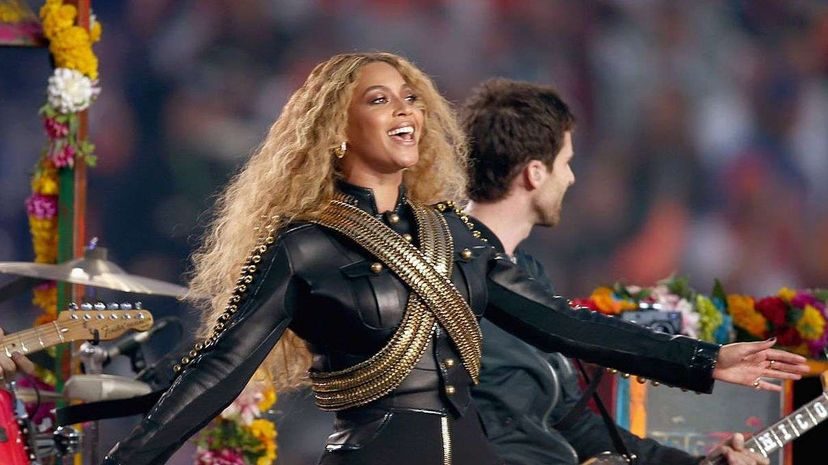
“Beyoncé is pregnant” is more than just a myth. This is a well-documented economic phenomenon. When Beyoncé released “Formation” as a surprise single, it caused more than just a stir on the Internet. It broke Red Lobster’s sales record. The chain’s traffic increased by 33%. This is not random. This is a direct cause and effect relationship derived from a specific lyric. In the song, Beyoncé brazenly references a PG-13 fish chain. He said that if his partner is good to him, he would take him to Red Lobster.
Red Lobster loves this. They loved the sales. But most importantly, they like relevance.
For years, Red Lobster has struggled to stay cool. This is an all-you-can-eat restaurant. Reliable. It’s safe. It is not trendy. But suddenly #RedLobster was trending on Twitter. Red Lobster’s social media team was so shocked by the attention that it took them eight hours to respond. 8 hours. In the internet age, it’s forever. Their reply was underwhelming. They missed the moment.
Although the response has been slow, the brand wants to capitalize on its reputation. They released limited edition T-shirts. The shirt read: “Someone thinks I’m #lobsterworthy.” It was a desperate grasp at cultural currency. It worked. But does something like this happen often in the history of pop music? Is Beyoncé’s relationship with Red Lobster a coincidence?
Historical background of product placement
To answer this question, let’s look at the data. Storm Gloor, a professor of music and entertainment industry studies at the University of Colorado Denver, has been analyzing hit songs for years since 1960. He looks for clear references to brands, people and products. His findings show that mentioning a name “can increase” sales. But this is rare.
The closest precedent for the Beyoncé effect is Busta Rhymes’ 2002 hit “Pass the Courvoisier.” The song is said to have increased premium cognac sales by 20%. Another example is Run-DMC’s 1986 song “My Adidas”. The song made Adidas warm-ups and shell-toed sneakers the unofficial uniform of hip-hop in the late 80s.
However, name-dropping does not guarantee revenue. Think of the luxury goods market. In 2004, rappers were obsessed with Cristal champagne. Despite the hype, Cristal’s share of the US champagne import market is only 3 percent. Moët and Chandon controlled 41 percent. Why? Because the products are expensive. High price points limit volume. Although the rapper mentions a $2 million Bugatti, only 12 such cars are sold in the United States each year. Increased brand awareness cannot create demand for a product that is beyond the reach of most people.
Music as an Advertisement
Beyoncé’s moment highlights changes in the music industry. Music sales are declining. They are no longer the main source of income for the superstar. Instead, artists commercialize their brands. Clothing lines. Perfume. Concert tours. TV appearances. These ventures make much more money than streaming numbers.
“It’s more important for musicians to build their brand. In other words, these songs are more advertisements for artists than something that sells a lot.” – Storm Gloor
This change explains the rise of “advertisement”. This was seen in Lady Gaga’s 2011 “Telephone” video. She used a can of Diet Coke to curl her hair. She makes calls on a Virgin Mobile phone. He takes a picture with a Polaroid camera. These are not coincidences. They are paid sponsors. Music videos are a tool for brand promotion.
New rules for social media marketing
So does Beyoncé get a free Cheddar Bay biscuits? Probably not. She is too big for that. But the Red Lobster he mentions is a masterclass in organic marketing. Red Lobster has become famous on Twitter thanks to celebrity endorsements. Most brands aren’t so lucky. They have to spend millions of dollars to get noticed.
Arby’s understood this better than anyone. During the 2014 Grammy Awards, Arby’s tweeted at Pharrell Williams. They made fun of his famous hat. “Hey @Farrell can I have the hat back please?”
This was not a spontaneous tweet. It was a calculated marketing effort. The goal is to regain its core audience and gain relevance with younger demographics. The strategy worked. This tweet received 83,085 retweets. 48,938 favorites. Arby’s gained 6,000 new followers. Pharrell replied.
Arby’s amplified this success by Arby’s purchased the hat on eBay for $44,100. The money was donated to charity. The results were widely discussed in the media. Thousands of articles have been written about this interaction. 2015 was Arby’s best sales year ever.
The lesson is clear. Brands play the same game. They ride celebrities. Red Lobster rides are free. Abhi made the machine.
Kanye West and the Art of Self-Branding
If Arby’s is the epitome of corporate marketing, Kanye West is the epitome of personal branding. He is a proud prince. He doesn’t just release music. He creates an ecosystem.
When he dropped The Life of Pablo, he also launched the third season of his Yeezus clothing line. He gave a concert at Madison Square Garden, which was the catalyst for both events. He sparked a heated debate on Twitter about lyrics mocking Taylor Swift. He played “Saturday Night Live.” In the middle of his monologue, he added his own album. He directed fans to Kanyewest.com. He announced that the album will be available exclusively on Tidal.
This is no accidental confusion. This is a coordinated attention attack. Everything we do is for the brand. All disputes cause congestion. Each platform is used to confirm the next drop.
Meanwhile, somewhere in Louisville, Kentucky, Long John Silver’s Twitter team is waiting. They want Kanye West to buy him a fish sandwich for Lent. There is little hope. The need for relevance is strong. The game has changed. Red Lobster has proven that even the most traditional brands can survive if they catch the right trend. Or if you’re lucky, Beyoncé might mention it.