If you can see it. It’s waning.
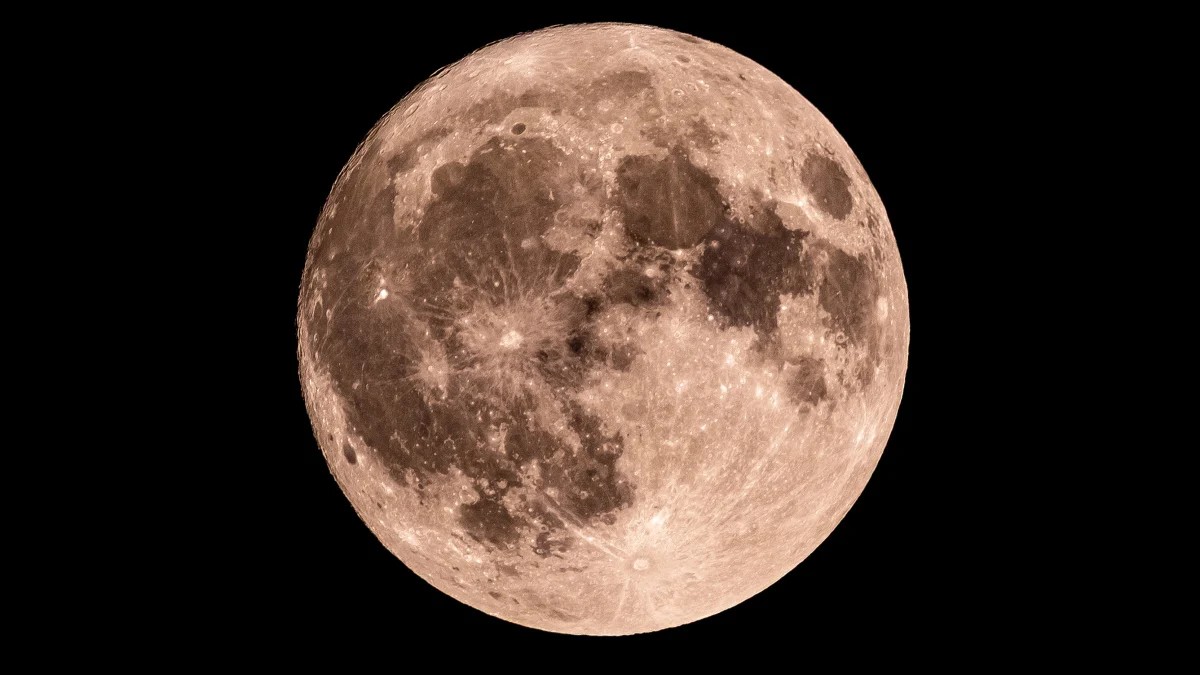
Specifically, it is Waning Gibbous. That is the technical term for tonight’s show.
As of June 4, 87% of the lunar surface is catching sunlight. Per NASA.
You do not need a telescope to get started. In fact, your naked eyes work just fine, provided the clouds stay away. You’ll spot the dark patches easily enough.
Mare Serenitatis? Visible.
Aristarchus Plateau? There it is.
Mare Tranquillitatis? Hard to miss.
Binoculars help. With those, the Grimaldi Basin and the Alpine mountains come into view. The Posidononus Crater too.
Telescopes change everything. Set one up, you can find the actual Apollo 15 and 15 landing spots. Yes. The ones humans stood on. Plus the Caucasus range.
When does it fill up again?
June 29. That is when the next Full Moon happens.
The cycle behind the shape
Why does it change?
It’s not the moon turning on and off. The same face always points at us. It is the sunlight hitting it from different angles that changes what we see.
It takes roughly 29.5 days for that orbit to complete. Eight distinct stages.
Here is the run of them, starting from invisibility.
New Moon is when the moon sits between us and the sun. We see nothing.
From there, a sliver appears. Waxing Crescent.
It grows. Hits a First Quarter, half lit on the right.
Keep growing. Waxing Gibbous. Mostly bright. Almost there.
Then Full Moon. Total illumination.
Now the light retreats.
Waning Gibbous (where we are now). The right side darkens first.
Third Quarter. The left half shines.
Waning Crescent. Just a ghost of light before it fades back out.
Does the sky look different depending on where you stand? Yes, but that’s for another article.