The Surprise
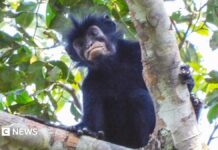
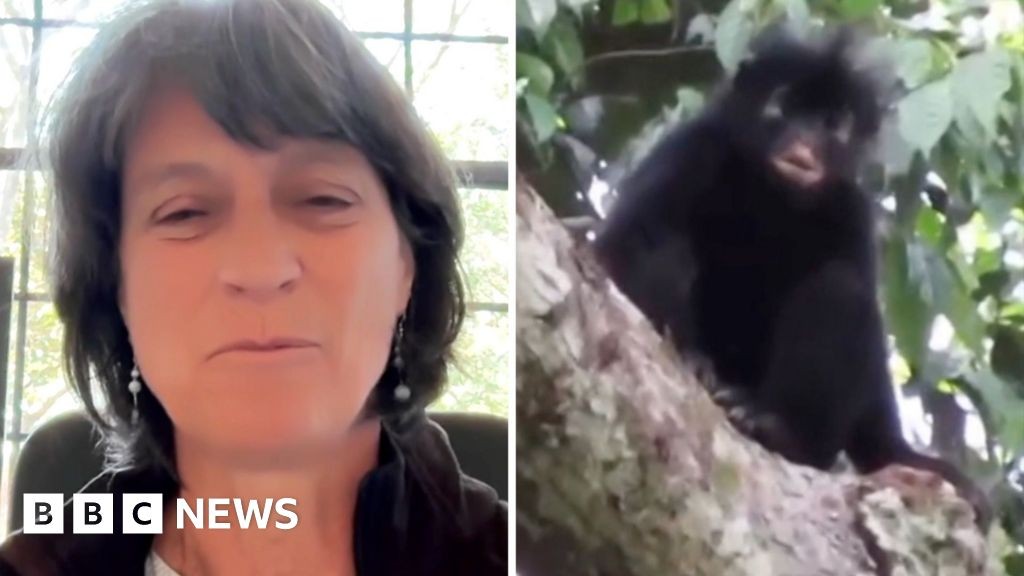
Scientists found a monkey. It was sitting there the whole time, essentially. Hidden in the dense green noise of the Congo basin. They didn’t know it was its own thing until they looked closer, really closely.
The study lead calls it a ‘fascinating discovery.’ That’s scientific speak for “holy crap.”
This isn’t just a slightly bigger cousin of an existing species. It is distinct. Genetically separate. A new chapter in the primate family tree.
The Mix-up
It’s easy to see how they missed it.
These guys look a lot like other guenons. They’ve got the same basic shape, the same social vibe. For years, researchers lumped them in with known neighbors. Assumptions are dangerous in the wild, or at least, expensive ones. You spend decades studying something thinking you know what it is, only to realize your subject has been pulling a fast one on you.
DNA didn’t lie though. The code was different. Clear as day.
Why It Matters
Conservation usually focuses on what’s dying out. Rare, right? Well, if you can’t identify something, you can’t save it. This new monkey has no protection because, technically, until now, it didn’t officially exist.
Imagine trying to protect a ghost. You can’t. You need a name. A species designation. Only then can we map where it lives, who eats it, what’s cutting down its trees.
Africa loses forest faster than we can count the trees in it. Finding a new primate species is rare these days. The last ones we found felt like closing a book. This one feels like opening it.
The Future
What now?
They’ll publish the papers. There will be celebrations. Maybe a cartoonish mascot if marketing gets involved. But on the ground? The monkeys don’t care. They’re probably eating leaves or fighting over territory.
We finally see them. Whether that’s enough is a question for another day. The jungle keeps its secrets, mostly.
“It is a testament to the unknown depths of biodiversity we still harbor.”