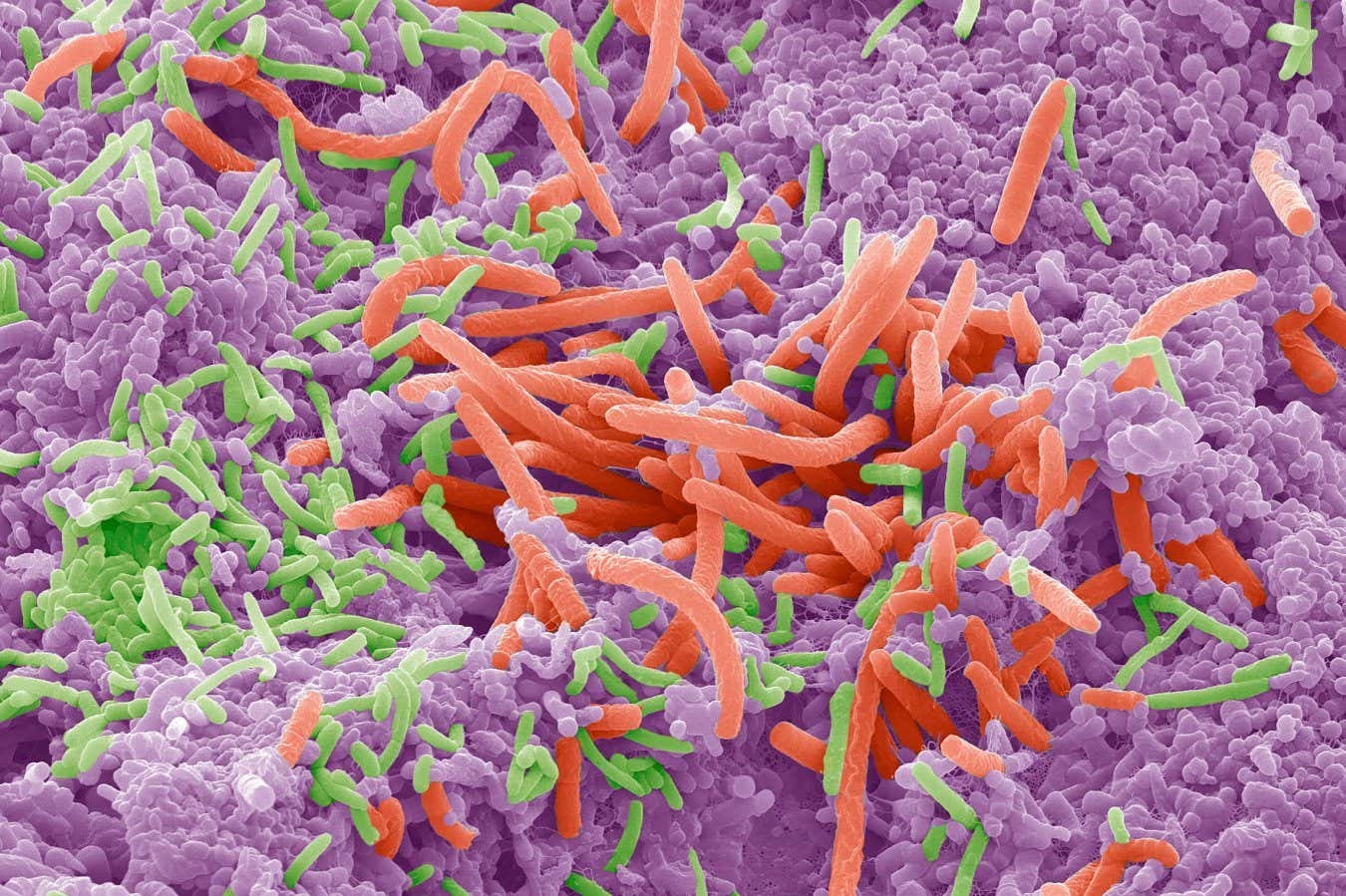
While the old adage “you are what you eat” is well-known, emerging science suggests that you may also be what lives in your mouth.
A massive new study has revealed that the microbes inhabiting our oral cavities—the oral microbiome—are deeply connected to our metabolic health. By analyzing the bacteria in the mouth, researchers have found potential indicators for obesity, pre-diabetes, and fatty liver disease, suggesting that a simple cheek swab could one day serve as a non-invasive diagnostic tool.
A New Level of Precision in Microbiome Research
For years, scientists have known that the oral microbiome is the body’s second-largest microbial ecosystem, surpassed only by the gut. However, previous research was often limited by small sample sizes and “16S-based profiling”—a method that identifies broad groups of bacteria but fails to pinpoint specific strains or their genetic functions.
This study changes the scale of inquiry. Led by Imran Razzak at the Mohamed bin Zayed University of Artificial Intelligence, researchers utilized whole metagenomic sequencing to analyze oral swabs from 9,431 participants. Unlike previous methods, this technique reads all the microbial DNA in a sample, providing a high-definition map of exactly which bacteria are present and what they are doing.
Mapping the “Microbial Atlas” of Metabolism
By combining this deep genetic data with liver ultrasounds, continuous blood glucose monitoring, and body composition scans, the team created a statistical atlas linking specific bacteria to 44 different metabolic traits.
Key findings include:
– Weight and Fat Distribution: Specific bacteria, such as Streptococcus parasanguinis and Oribacterium sinus, were found in higher concentrations in individuals with higher BMIs and increased body fat.
– Liver Health: Certain microbial functions, such as “polyamine biosynthesis” (the production of nitrogen-containing molecules), were linked to poorer liver health.
– Blood Sugar Regulation: Microbial pathways involved in breaking down certain lipids (ceramides) correlated with worsening blood sugar control and insulin resistance.
How Does the Mouth Affect the Body?
A critical question remains: Does the bacteria cause the disease, or is it just a bystander?
While the study shows correlation rather than direct causation, researchers believe the oral microbiome is likely an active participant in metabolic decline rather than a passive indicator. Experts suggest three primary pathways through which oral microbes might influence systemic health:
- Systemic Inflammation: Bacteria or their byproducts can enter the bloodstream through inflamed gums, triggering inflammation throughout the body.
- The Oral-Gut Connection: Microbes from the mouth can travel to the gut, altering the intestinal ecology and affecting digestion and metabolism.
- Chemical Signaling: Bacteria release metabolites (chemical byproducts) that can directly influence blood pressure, vascular health, and glucose regulation.
The prevailing theory is that “oral dysbiosis” —an imbalance in the mouth’s microbial community—contributes to a chronic metabolic burden through repeated exposure and immune activation.
The Future: From Diagnosis to Treatment
The implications for preventative medicine are significant. Because these microbial signatures remained even in people without active gum disease, they appear to be independent markers of metabolic risk.
“The idea that a simple buccal swab could provide early warning signals for conditions like fatty-liver disease or impaired glucose regulation is compelling,” says Lindsey Edwards of King’s College London.
If these links are validated in larger clinical trials, the medical community could move toward a two-pronged approach:
– Early Screening: Using oral swabs as a cheap, non-invasive way to identify people at risk for diabetes or liver disease before symptoms appear.
– Microbial Therapy: Developing treatments designed to “shift the balance” of oral microbes to improve metabolic outcomes.
Conclusion
This research marks a shift in how we view the mouth, moving it from a site of dental concern to a vital “sentinel” for whole-body health. While more research is needed to confirm these links, the study provides a powerful new roadmap for understanding the complex relationship between our microbes and our metabolic future.