New Zealand sits right on the fault line. It is a place where science isn’t just observed from a sterile window in a lab. It is walked through. It is endured. The country lies at the collision point of the Pacific and Australian tectonic plates. This isn’t a static map. It is a violent, shifting reality.
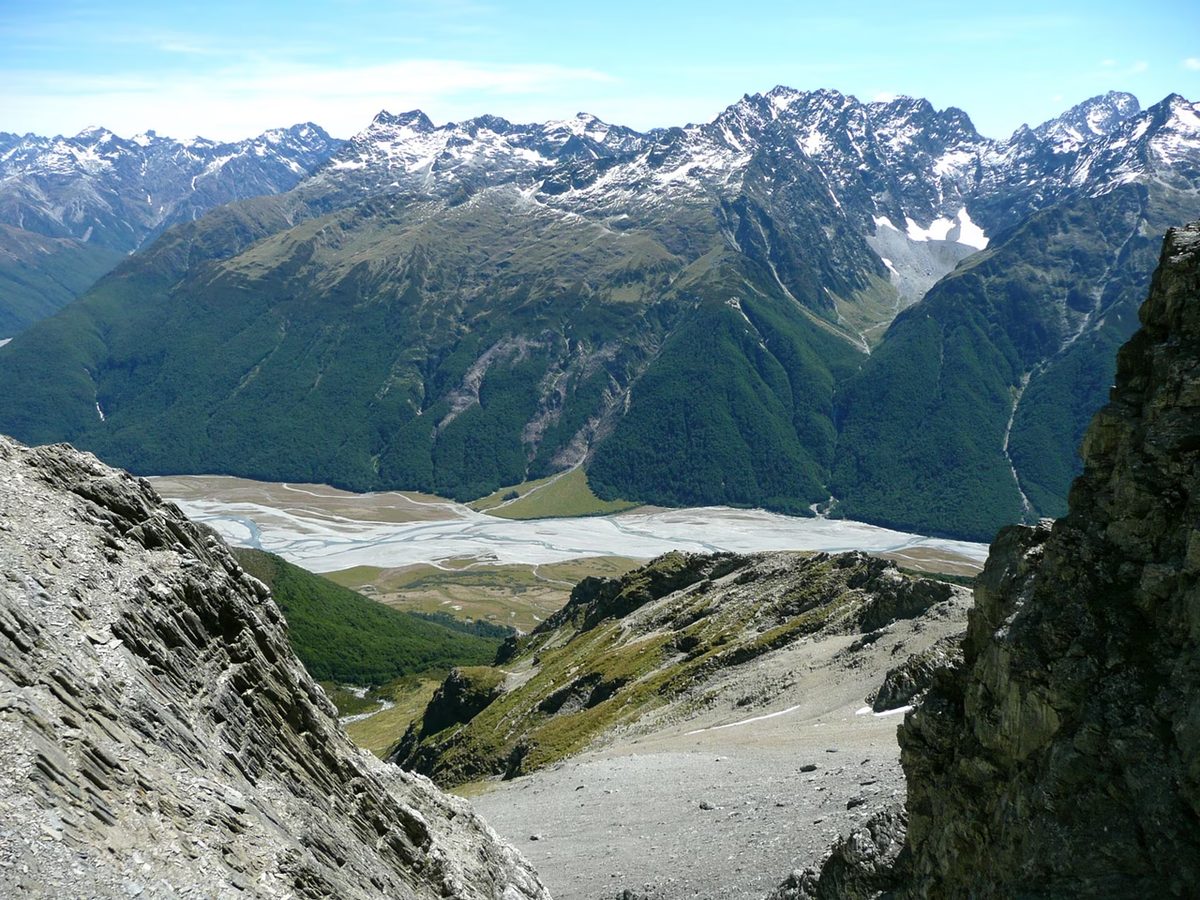
Frequent earthquakes rattle the ground. Snow-capped peaks in Oceania rise because of this pressure. The coastlines are carved by the furious waters of the Pacific Ocean and the Tasman Sea. In the North Island, volcanoes constantly reshape the landscape. Rain falls in deluges. Winds tear at the earth. These aren’t just scenic backdrops. They are evidence of a geological story that is still being written.
Scientists here aren’t just collecting data. They are chasing it into the most remote corners of the country. Why? To predict eruptions. To stop earthquakes from becoming disasters. To understand how our climate is evolving. To figure out how to use natural resources without breaking them.
Why New Zealand Is a Geological Superpower
The isolation of New Zealand is deceptive. It sits in the middle of the Pacific Ring of Fire. The diversity of its terrain is extreme. The geological phenomena packed into this territory are dense. The landmass is twice the size of France, yet it holds a staggering amount of geological power.
A massive tectonic fault line splits the nation. You can feel its presence everywhere. In the North Island, the Pacific plate dives under the Australian plate. This process is called subduction. It creates an arc of volcanoes. It triggers earthquakes. The result is a geothermal zone that looks like another planet. Geysers shoot steam into the air. Hot pools bubble with color. Lakes shift hues depending on their mineral content.
“New Zealand impresses by its isolation and the diversity of its landscapes. […] The country boasts an exceptional number of geological phenomena concentrated on a territory twice as small as France.”
This is New Zealand’s tectonic plate boundary science. It is not abstract theory. It is live wire. The science meets adventure here because the stakes are real. If you get the prediction wrong, people get hurt. If you ignore the signs, the mountain explodes.
Decoding the Deep Earth
The goal isn’t just curiosity. It’s survival. Scientists trek through rugged terrain to decipher the codes written in the rock. They look for the tremors that precede the shake. They study the heat that builds beneath the crust.
This data helps them understand the evolution of our climate. It also informs how we manage natural resources. Geothermal energy, for example, is huge here. But harnessing it requires knowing exactly when the ground is stable. When it isn’t, the risk is high.
The landscape tells the story. The question is whether we can listen fast enough. The volcanoes don’t care about our schedules. The earthquakes don’t wait for peer review. They happen when they are ready. And in New Zealand, they are always ready.
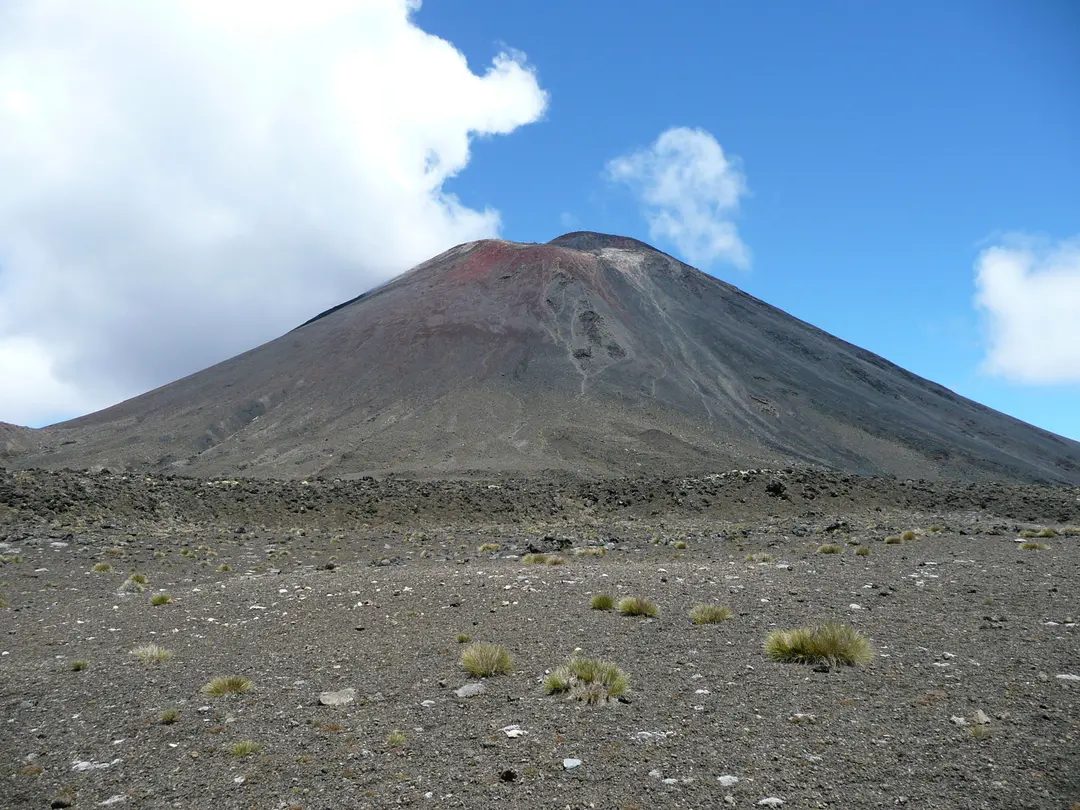
Colorful ash and shifting landscapes
The 1995 eruption of Mount Ruapehu didn’t just coat Tongariro National Park in gray. It threw down a chaotic palette. Crystals of sulfur turned the ash yellow. Iron oxides stained it red. Acidic lakes nearby took on a vivid turquoise hue. These colors broke up the usual monotony of black cinder. It was a geological accident of chemistry.
Further south, the drama isn’t about color. It’s about verticality. A massive mountain range continues to rise. This isn’t a slow drift. It’s the result of enormous pressure deep underground. The earth is pushing up. The crust is buckling.
Then the weather steps in. Rain. Wind. Ice. These elements act as chisels. They carve out deep, remote valleys. The landscape isn’t static. It’s being actively sculpted by forces that are hard to see but impossible to ignore. The mountains go up. The wind and water cut down. The result is isolation. And beauty born from violence.
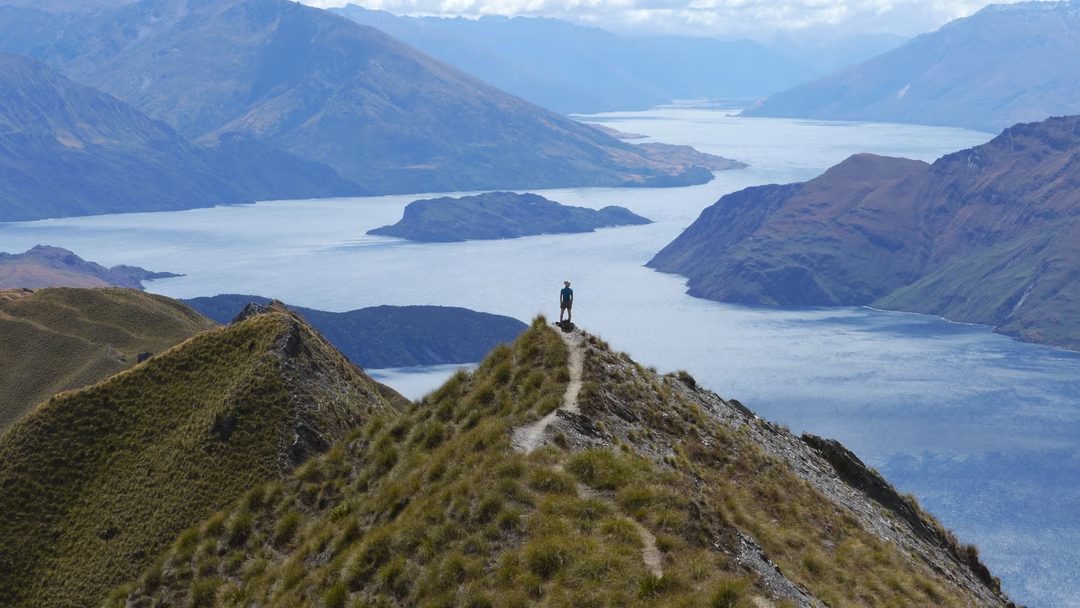
Chasing Science Through New Zealand’s Wild Heart
You don’t just read about nature in New Zealand. You walk through it. You breathe it. The scientists tracking the pulse of our planet here aren’t sitting behind desks. They’re out in the wild, pushing into spaces that feel ancient and untouched. The work is hard. The conditions are extreme.
Imagine standing near a volcanic fumarole. The heat hits you like a wall. Sulfur hangs in the air. Then, shift gears. Now you’re high in the Southern Alps. The air is thin. The cold bites deep into your bones. This isn’t a field trip for leisure. It’s a job. And in New Zealand, being a scientist demands a serious taste for adventure.
Volcanic Fury and Boiling Pools
The geology here is volatile. Literally. Researchers often find themselves working near boiling pools or near the edge of active vents. The ground can be unstable. The temperature swings are drastic. One minute you’re sweating through your gear near a hot spring. The next, you’re bundling up against the wind on a glacier.
This environment isn’t just scenic. It’s a laboratory. Scientists study how heat moves through the crust. They look at how gases escape. They test how life survives in conditions that mimic early Earth. It’s messy. It’s dangerous. It’s necessary.
The Cold Reality of High Altitude
Move away from the fire, and you hit the ice. The high mountains of New Zealand offer a different kind of challenge. The cold is sharp. Visibility drops. Equipment freezes. But the data doesn’t care about your comfort.
Researchers climb to collect ice cores. They monitor weather patterns. They observe how glaciers retreat. The work is physical. It requires endurance. But the insights gained are worth the struggle. Understanding climate change isn’t abstract here. You see the evidence in the shrinking ice fields. You feel it in the changing winds.
Why This Matters
These scientists are decoding the planet’s secrets. Their work helps us understand everything from volcanic eruptions to climate shifts. It’s not just about knowing facts. It’s about survival. It’s about preparing for what comes next.
The adventure isn’t a perk. It’s the job description. If you want to understand Earth, you have to go where the Earth is most active. Where it’s hot. Where it’s cold. Where it’s wild.