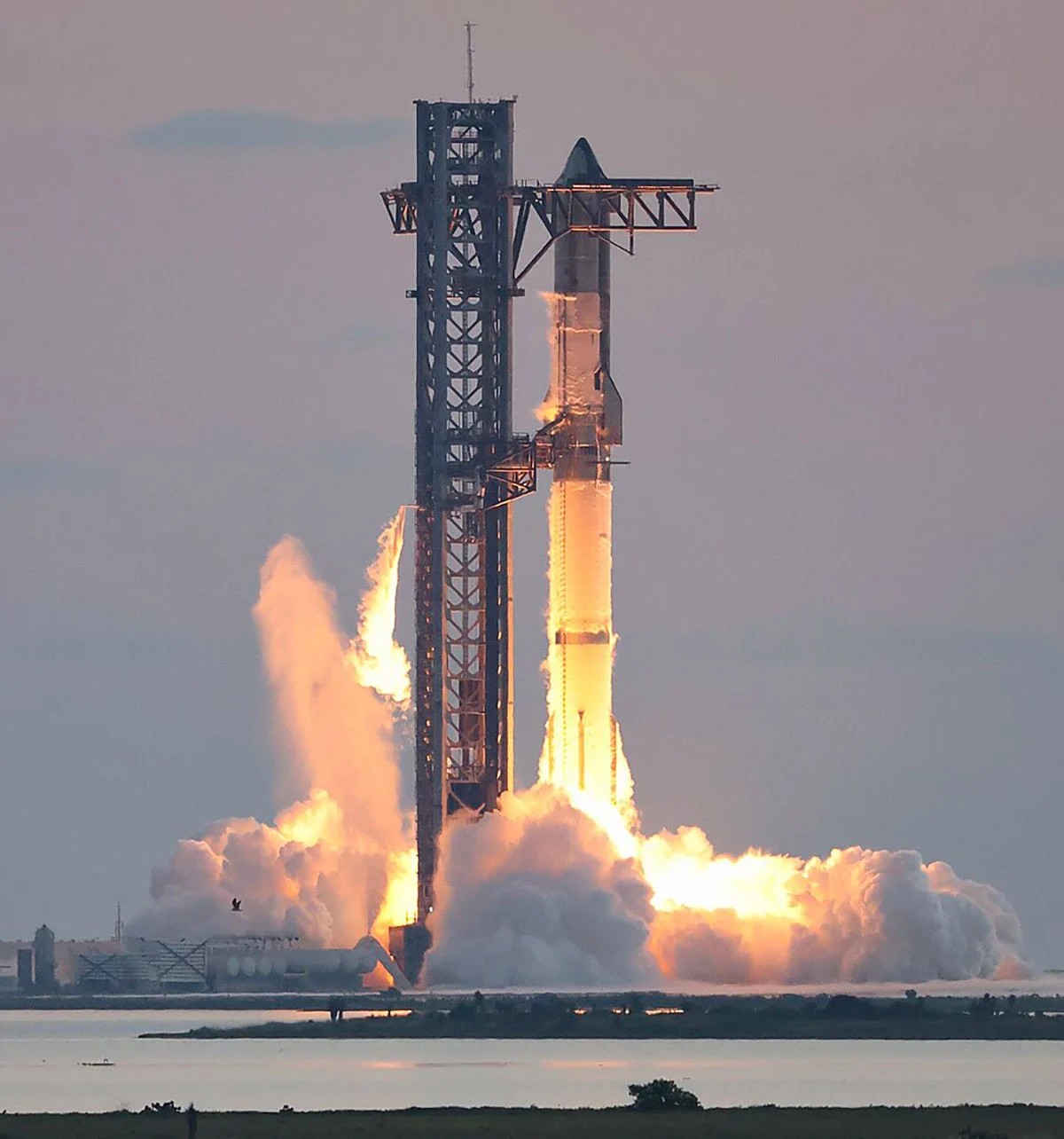
The Texas Moment
Summer 2023 changed things. A stainless steel tower, taller than most skyscrapers, fired thirty-three engines and lifted off from Texas. It wasn’t clean. But it flew. Then came Flight Five. The Super Heavy booster didn’t crash. It came home. Caught mid-air by the mechanical arms of the launch tower like a prize bull. Spaceflight just got weird again.
Starship aims to dump over 100 metric tons into low Earth orbit, fully reusable. If it works? It breaks every record for power and cost. For everyone else in the game, the question isn’t if this will disrupt the industry. It’s how to not get left in the dust.
The Numbers Get Checked
The German Aerospace Center, DLR, got busy. They didn’t just believe SpaceX’s press releases. No, they watched the raw footage from the first four tests. Frame by frame. Telemetry data extracted and modeled.
The result? A sober look at the beast. Currently, a reusable Starship can lift about 59 tons to LEO. That matches a Falcon Heavy throwing its boosters away entirely. Not bad, but not magic yet.
Next gen, though. Raptor 3 engines. Bigger tanks. Projected output: 115 tons reusable, maybe 188 if you don’t mind burning it up. That beats the Saturn V. Big time. But the paper has a twist. It proposes a European alternative, the RLV C5. Capable of launching 70 tons. Smaller, yes. Smarter? Maybe.
Trading Weight for Wings
Here’s the deal with the RLV C5. It uses a winged booster from DLR’s SpaceLiner project. Pair that with a throw-away upper stage. Fuel choice? Liquid hydrogen and liquid oxygen. More efficient than SpaceX’s methane mix.
Landing strategy differs too. Starship tries to hover down on thrusters, taking massive punishment from heat. The RLV C5? It glides back like a space shuttle. Caught in mid-air by a subsonic aircraft. Sounds like sci-fi fiction. It actually has physics on its side.
Why bother? No fuel needs to be reserved for the final landing burn. Every kilogram of propellant helps lift payload, not land hardware. Starship weighs more than triple the RLV C5 at liftoff. Why? Heat shields. Landing gear. Structure. To survive being reused, it has to carry all that baggage.
Result: Starship puts ~40% of its mass to work as payload. The RLV C5? 74%. It lacks brute strength but wins on efficiency.
The Hard Choice
DLR researchers don’t frame this as a fight. It’s a fork in the road. Starship wins if you need sheer volume. Moon bases. Mars colonies. Satellite swarms.
But Europe wants sovereignty. Independent access to space. Building a Starship-killer from scratch costs a fortune and time. The RLV C5 uses components already being tested. It slots in now. An intermediate step while Europe figures out its long-game.
“RLV C5 offers an efficient path for Europe to independently develop reutilisable heavy-launcher systems,” lead author Moritz Herberold noted.
Reality Checks
One catch. It hangs heavy.
Starship flies. Even when it explodes. Or when its heat shield gets wrecked in Test Four, requiring a total redesign. Full rapid reuse remains an unsolved problem. A very expensive one.
The RLV C5? It lives in papers right now. There is a chasm between “we calculated it works” and “we did it.”
Europe starts late. That much is clear. But maybe the fastest path isn’t always the right one. Sometimes, the efficient one is enough.