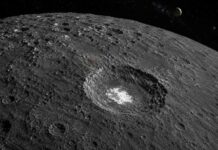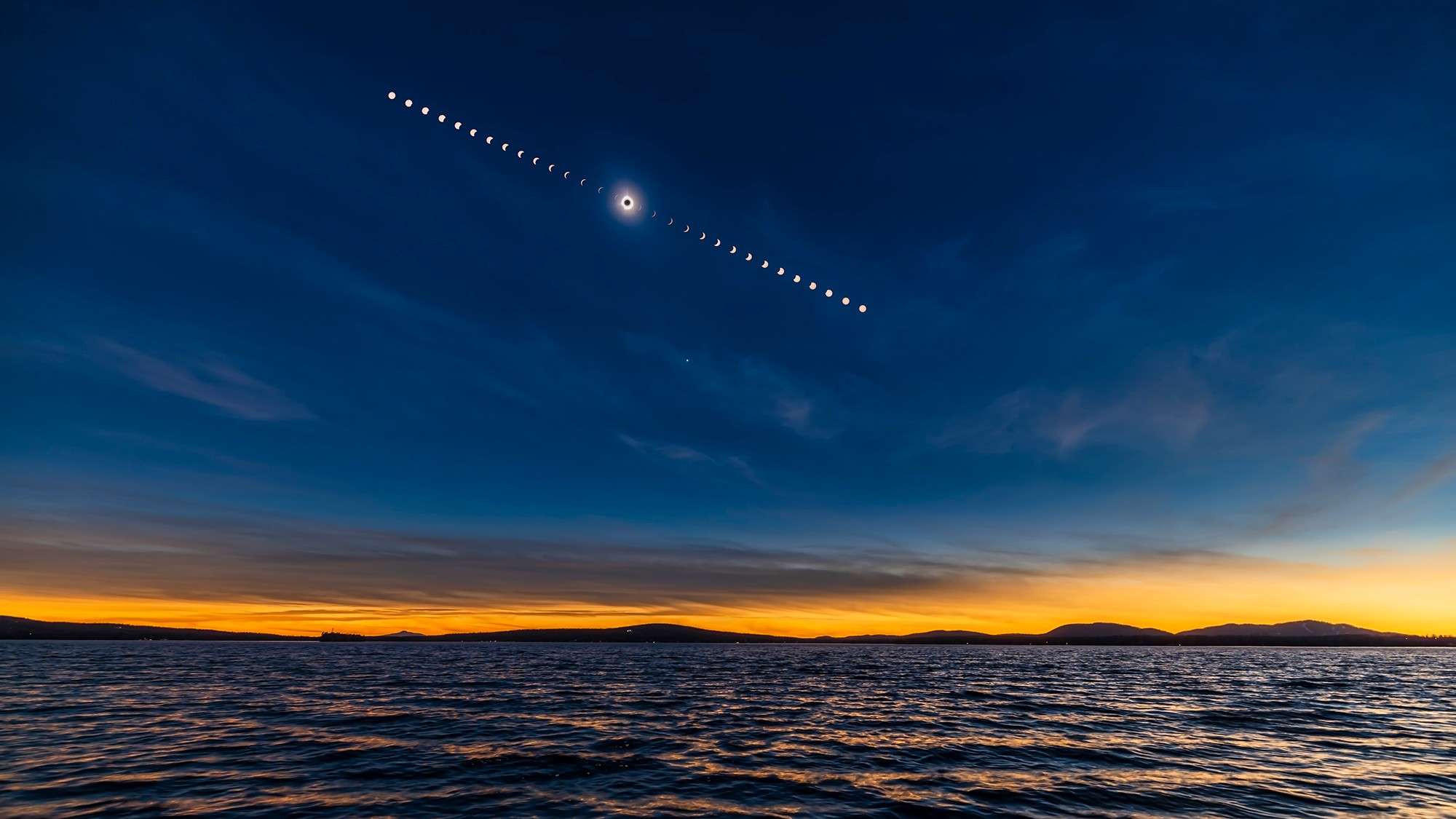
Wednesday, August 12, isn’t just another date on the calendar. It is a celestial one-two punch that could define your summer memories.
We are talking about a total solar eclipse during the day. Followed immediately by the peak of the Perseid meteor Shower under a pitch-black, moonless sky. Add in the sharp disk of Venus and the glowing spine of the Milky Way after dark. The result is a 24-hour window that skywatchers might not see again for a long time.
Mark the calendar. This is your chance.
The Daytime Eclipse: How Much Will You Miss?
The first act begins while the sun is still high. The moon will slide in front of the star, creating a partial eclipse across a huge swatch of the globe. But the drama is localized.
A total solar eclipse path is narrow. It cuts through eastern Greenland, western Iceland, and northern Spain. If you are there, you get the full show. The totality. The sudden drop in temperature. The corona.
But you don’t need to be in Europe.
According to Time and Date, nearly 779 million people across North America, Europe, and North Africa will see something. At least a 10% coverage. That’s a partial eclipse you can look at, provided you have the right gear.
Where is the best view in North America?
Deep in the Arctic, it gets extreme. Parts of Nunavut will see 93% of the sun vanish. It will look like a bite taken out of the sun with a giant cookie cutter.
In the big eastern cities? You get less, but it’s still noticeable.
– Toronto, Ottawa, Quebec: 8% to 24% coverage.
– Boston: Around 16%.
– Fairbanks, Alaska: 37%.
Europe gets a darker sky for this event. London sees 91% coverage. Paris sees 92%. That’s close enough to totality to make your head spin, even if you don’t see the full corona.
Safety First: Don’t Go Blind
Here is the part everyone forgets until it’s too late.
Do not look at the sun with naked eyes. Not for a second. Not during the partial phase. Not when you think you’re being sneaky by looking at a short exposure on your phone camera without a filter.
You need ISO 12312-1 certified solar eclipse glasses. Check the label. Buy them from reputable sources. Use them for the entire duration of the partial eclipse.
If you want to use binoculars, telescopes, or cameras to zoom in, you must fit them with proper solar filters. Regular sunglasses don’t cut it. Welding glass might, if it’s the right shade (14), but specialized eclipse glasses are safer and easier.
Get your gear ready. Then get your eyes protected.
After Sunset: Venus Reaches Dichotomy
As the sun dips below the horizon, Venus is already waiting.
This isn’t just the “evening star” twinkling away. This is the moment Venus reaches dichotomy. That’s a fancy term for the point where the planet appears exactly half-lit, like a miniature half-moon.
Because Venus is getting closer to Earth in its orbit, it looks bigger. Through a small telescope or high-power binoculars, you’ll see that crisp, straight terminator line dividing the light side from the dark. It’s a geometric delight for anyone with a clear western sky.
The Perseid Peak: Why This Year Is Different
Then comes the night. The real show.
The Perseid meteor shower peaks between August 12 and 13. We know this. It happens every year.
But this year? The stars have a massive advantage.
No moon.
The new moon means zero moonlight to wash out the faint streaks. Usually, a bright moon kills the Perseid viewing. Not this time.
Under truly dark skies—far from city lights—observers could see 50 to 75 meteors per hour. That is a lot of shooting stars. Even in suburbs, where light pollution dims the faintest trails, you should still see frequent flashes.
When should you look?
Between midnight and 2 a.m. local time.
Why then? The sky is darkest. The radiant point in the constellation Perseus is high in the sky, meaning meteors will shoot across your field of view rather than skimming low on the horizon.
The Final Act: The Milky Way
Here’s the cherry on top for those in rural areas.
With no moonlight competing, the Milky Way will be blindingly bright. It will arch overhead, a river of star dust and gas stretching from horizon to horizon.
It’s the best view of our home galaxy we get all year.
So, on the night of August 12, you will watch a solar eclipse. Then you will see Venus split in half. Then you will watch dozens of meteors tear across the sky. And finally, you will lie back and see the center of the galaxy shining above you.
Clear skies are the only variable we can’t control.
If the clouds hold off? This might be the single greatest skywatching event of the year.
Grab a blanket. Keep your eclipse glasses handy. And try not to blink.