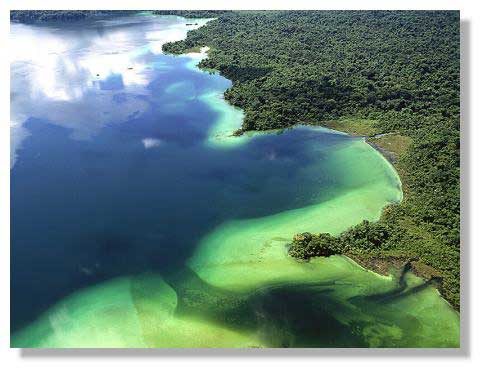
The shoreline of Martinique isn’t just one thing. It’s a patchwork of four distinct physical entities. You have the sandy bays. The muddy inlets. The mouths of rushing rivers. And the sheer, imposing cliffs. They look different. They feel different. But they are all driven by the same forces. Terrestrial runoff. Marine currents. Submarine geology. These aren’t just background details. They are the engine.
The process starts with erosion. Geology, bathymetry (the underwater topography), and hydrodynamics work together to tear the coast apart. It’s a natural grind. Then come the humans. We don’t start the process, but we make it worse. Our actions exacerbate every natural influence already at work. We accelerate the damage.
In specific spots, like the bottoms of dead-end bays, the dynamics are slightly simpler to understand. Here, sediment builds up. It depends on how easily the land washes away. It depends on salt-loving plants that lock the soil in place. And it depends on geography itself. The shape of the land traps the sediment. It creates a natural buffer.
The Gap in Coastal Protection
Despite these complex, shifting dynamics, Martinique has no regional policy to protect its coast. None. We are flying blind. The disruptions caused by erosion and climate pressures are real. The damage is accumulating. But there is no framework to stop it.
We need to fix this. Now.
The solution isn’t guesswork. It’s modeling. We need to map the littoral. Accurately. Then we need to put a price tag on the damage. What does it cost to lose a cliff? What does it cost to lose a beach? We can’t manage what we don’t measure. Before any new development hits the sand, we need rigorous environmental studies. Not rubber stamps. Real science.
“We propose to remedy the lack of protection by modeling the coastline, estimating the cost of coastal damage, and relying on environmental studies before any development.”
The stakes are high. This isn’t just about scenery. It’s about infrastructure. Homes. Economy. The question isn’t if the coast will change. It’s how we respond when it does. Are we going to keep building into the danger zone? Or are we finally going to look at the data?