Phelan-McDermid syndrome might be affecting 1 in 7,30 people.
Not 1 in 700. Not 1 in 730. 1 in 7,330.
That is the new number. It is significantly higher than what scientists thought just a few years ago. For families struggling to understand unexplained developmental delays, this statistic changes everything. It means you are not alone in a way that was previously unimaginable. But it also highlights a massive blind spot in modern medicine.
A genetic diagnosis can be a light at the end of a very long tunnel. It explains the sleep issues. The speech delays. The behavioral challenges that seemed to come from nowhere. Yet, millions of people with Phelan-McDermind syndrome (PMS) are walking around without ever knowing why their brains work the way they do.
Researchers at the Seaver Autism Center at Mount Sinai have just closed a huge data gap. Their findings? The condition is far more common than anyone realized.
Why the old estimates were so low
Let’s be clear: genetic testing is not a universal default for autism.
If you have developmental delays, the standard protocol often stops before it gets to the deep DNA sequencing. Many individuals with autism spectrum disorder never receive comprehensive genetic panels. They are treated symptomatically. Their families are given coping strategies. They are not sent to the lab.
This created a skewed view of prevalence. Early estimates relied heavily on clinical referrals—people who made it to specialized centers. Those are the “tip of the iceberg” cases. The rest? Hidden in plain sight.
To get a real number, Mount Sinai didn’t just look at one clinic. They built a massive, multisource model.
How researchers calculated the real number
The study analyzed genetic records from nearly 1800,000 individuals with autism.
They pulled data from ten independent sources. We are talking about GeneDx. Labcorp. Ambry Genetics. The SPARK research study. The Autism Sequencing Consortium. Major children’s hospitals across the country.
That is a huge pool of evidence.
But raw data is messy. Many of these records came from tests that might have missed SHANK3 changes. Or from people whose symptoms were subtle enough not to trigger an autism diagnosis, even though they had the genetic marker.
So, the team adjusted the data. They accounted for the undiagnosed. They accounted for the missed tests. They factored in people who don’t meet the full criteria for autism spectrum disorder but still carry the deletion on chromosome 22.
The result?
13.7 cases per 1,00,0 people.
Or roughly 1 in 7,370.
When you apply that ratio to the United States population, the number is staggering. Over 45,000 Americans likely have PMS and don’t know it.
“The large gap between known and estimated cases is due to the fact that many individuals… are never offered genetic testing.” — Tess Levy, first author
What is Phelan-McDerrid Syndrome, really?
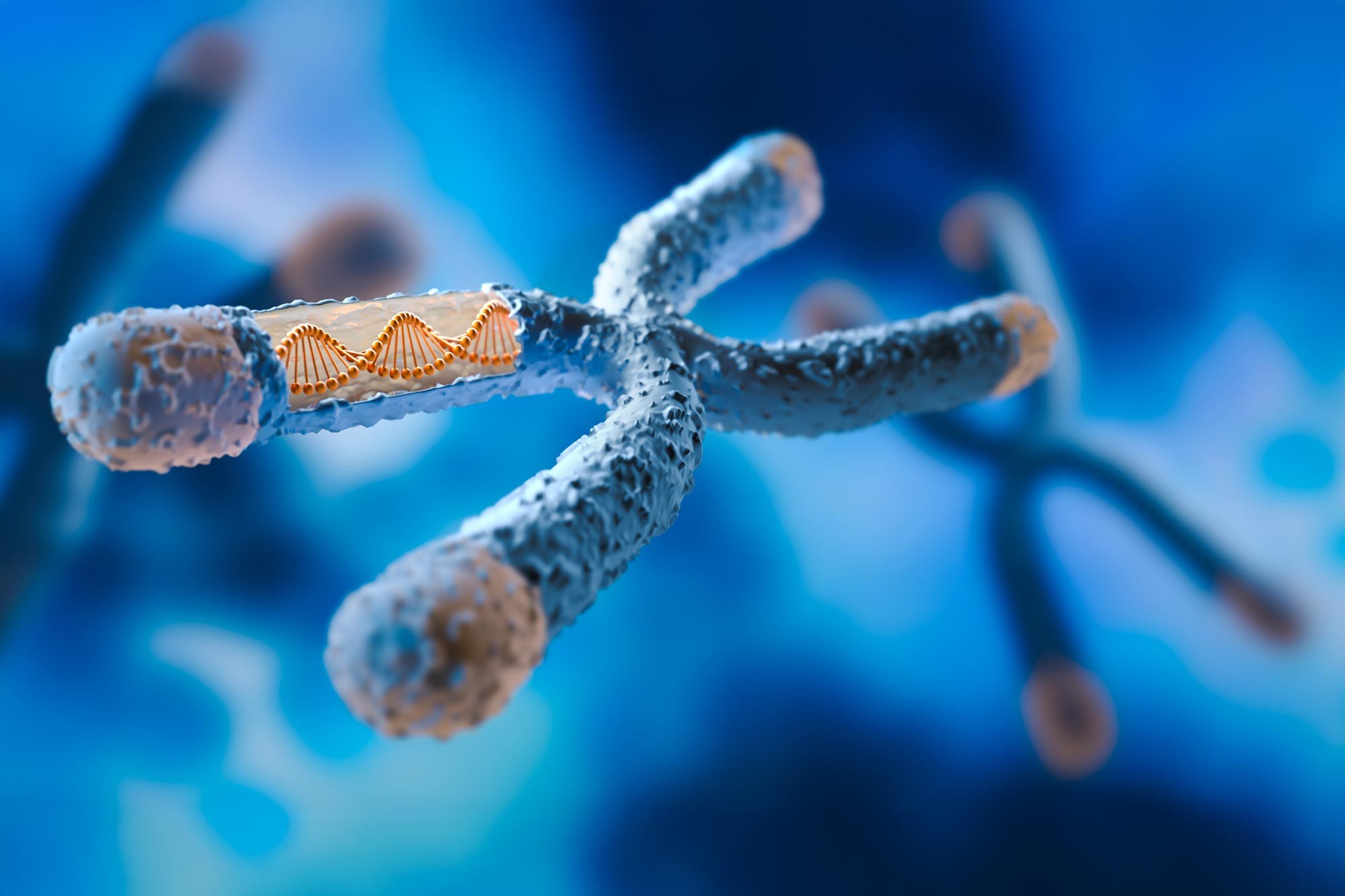
PMS happens when a piece of the SHANK3 gene on chromosome 22 is missing or altered.
Think of SHANK3 as a crucial instruction manual for how neurons connect in the brain. When that page is ripped out, the connections don’t form right. The effects are varied.
Most people with PMS qualify for an autism diagnosis. But it’s not just autism. It affects health, learning, behavior, physical development, and motor skills. Some individuals have severe intellectual disability. Others have mild challenges but significant social anxiety or OCD traits.
Changes in SHANK3 are believed to be responsible for up to 1% of all autism spectrum disorder cases.
That is not a rare disease in the traditional sense. It is a significant chunk of the neurodivergent community.
Why this diagnosis matters now
You might wonder why we are talking about prevalence rates when the condition has existed forever.
Precision medicine is coming.
This is the key. Several clinical trials for PMS treatments are currently underway. But you can’t enroll patients in a trial for a disease they haven’t been told they have.
Precision medicine targets the specific biological mechanism. In this case, it’s about repairing or compensating for the SHANK3 defect. It’s not just about calming the behavior; it’s about addressing the root cause.
Identifying PMS unlocks doors:
- Specialized care: Doctors who actually understand the specific needs of PMS patients.
- Clinical trials: Access to experimental therapies that could modify the course of the disease.
- Community: A network of families facing the same hurdles.
- Future treatments: As Tess Levy noted, successful new treatments could emerge within five years.
Without a diagnosis, that future is locked away.
The cost of being undiagnosed
Geraldine Bliss, Board Chair of CureSHANK, put it bluntly. Every undiagnosed person is a moral failure of the system.
“It represents a family searching for answers… and a patient who may miss opportunities for emerging therapies.”
The problem is practical, not just philosophical. Insurance barriers. Lack of awareness among general pediatricians. Tests that are too shallow to catch micro-deletions.
Start Genetic and CureSHANK are pushing hard to change this. They want genetic testing to be the first line of defense for anyone with unexplained developmental delays. Not the last resort. The first stop.
The road ahead
The estimate of 1 in 7,0030 is likely conservative. It’s a floor, not a ceiling.
As testing becomes cheaper and more accessible, that number will likely creep up. We are looking at tens of thousands of individuals scattered across the country, living their lives, unaware that their challenges have a specific name and a potential biological solution.
Joseph D. Buxbaum, Director of the Seaver Autism center, is confident. He believes the genetic discoveries made here will translate to treatments soon.
But knowledge is power only if you have it.
The gap is wide. The work to close it is urgent. And for the 45,000+ people waiting in the shadows, it might just be the difference between managing a condition and treating it.
Will you find out why? That depends on whether you ask the question.