


You buy a box. You see the logo. You think the money goes where it belongs. But many products labeled “fair trade” have structural loopholes in the system that keep producers at the bottom of the economic ladder. Ethical trading standards often emphasize the use of local techniques and ingredients. However, the actual processing and manufacturing does not have to take place in the country of origin.
This distinction matters. A lot.
The exchange of raw materials takes place more often in rich countries, so the profit margins remain there. The share of the final retail price returned to producers is still small. In some cases, it may be barely noticeable. Nowhere is this difference more evident than in the tea industry.
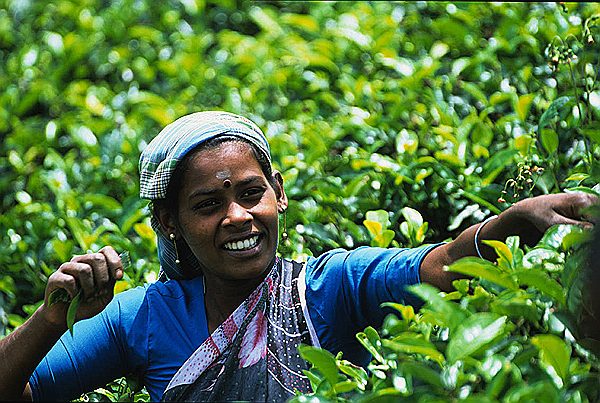
Consider a standard box containing 20 tea bags. You may have to pay 2-3 euros. Producers receive about 2 cents for traditional tea. Even if you buy fair trade certified tea with the Max Havelaar label, the farmer only gets 6-7 cents if the tea is not processed locally. If that happens, the numbers will change. But in most cases this is not the case.
Raw material trap
To understand why this happens, you need to understand the structure of retail prices. In traditional grocery delivery chains, the share of raw materials in the final retail price is typically only 6–8 percent. This is the starting point. If we pay farmers just slightly higher prices for these ingredients, we are only scratching the surface.
The economic disparity is baked into the value chain. Processing, branding, packaging and distribution all take place elsewhere. These steps provide most of the value. Farmers are left selling commodities. They don’t get the commission that comes with the finished product.
Reversing this trend requires more than just improving purchase prices. This requires a fundamental change in the way value is created. Producers need to diversify their sources of income. They need to integrate into the transformation process itself. This means moving from selling green beans and leaves to selling processed, packaged, branded products.
“Our goal is always to transfer as much added value as possible to the producer, which is why we process the maximum amount in the country of origin.”
Alter Eco method
Alter Eco works with a different logic. They believe that real growth comes from keeping added value local. About half of the product range is processed in the country of origin. This includes conversion of simple non-composite products.
Their organic teas are sourced from India, Sri Lanka and South Africa. These are not delivered to Europe as fresh leaves for packing. They are processed, blended and packaged from local ingredients and in the country where they were grown. result?
40–50 percent of the retail price is paid directly to the producer cooperative. This is not 6% in traditional markets. It is not even the 12% to 13% that would be seen if they only bought under Fair Trade standards and were not processed domestically. The difference is obvious. Across their entire product line, more than 20% of the sales price goes back to the country of origin. Compare that to the standard 6-8% for conventional products.
This model shows that when producers have better control over their supply chain, they can retain more wealth. It also explains why consumers should ignore certification labels. The logo tells you about the price paid for the raw crop. We don’t know who packaged it, who branded it, and who kept most of the profits.
The real question is whether we are willing to pay for a system that actually redistributes power. Or if it feels good just to feel like you’re doing something good, even if your financial situation remains essentially the same. Tea bags in your cup may seem ethical. But the math often tells


