Something is wrong with the numbers.
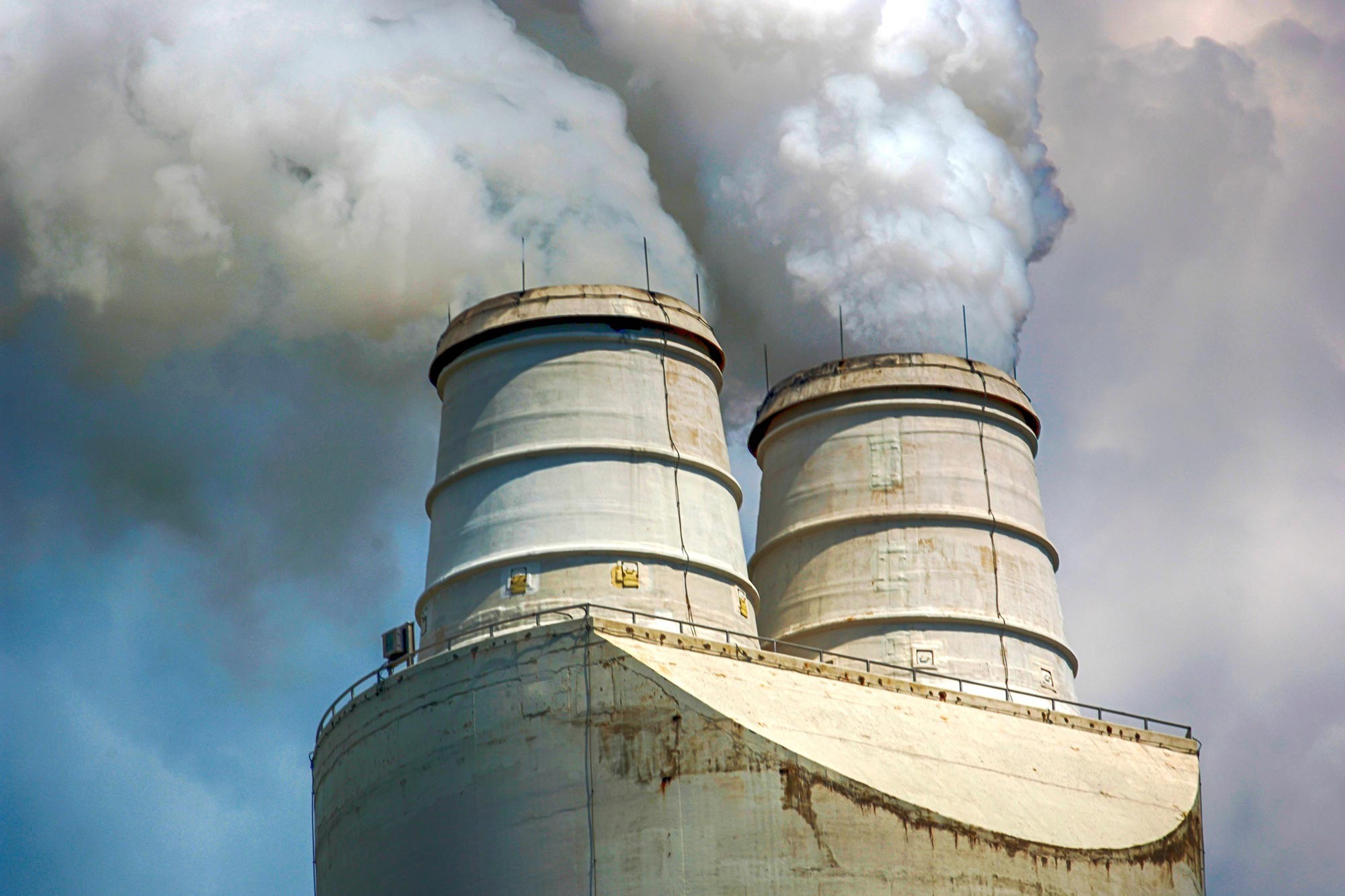
Not the small, boring kind of wrong. The kind that makes you wonder who’s actually driving policy right now. A new study from Northern Arizona University suggests the global emissions database built by the Climate TRACE consortium. Al Gore helped start it. It might be undercounting car and truck carbon dioxide in cities by seventy percent on average.
Seventy percent.
That is a hole big enough to fit an entire transit system into.
The Vulcan Comparison
Kevin Gurney runs the show at NAU’s School of Informatics. His team looked at how Climate TRACE estimates pollution from roads. They didn’t just guess. They compared the data against Vulcan. Vulcan is Gurney’s baby. A high-resolution database calibrated with actual traffic and fuel-use records. It’s not flawless, but it has about a fourteen percent margin of error.
Fourteen percent sounds acceptable for this field.
Seventy percent does not.
“The Climate TRACE CO2 emissions were on average 70% lower,” said Bilal Aslam. A postdoc on the project. He called the gap staggering.
Individual cities fared even worse. Indianapolis. Nashville. Some showed undercounts exceeding ninety percent. The authors aren’t saying the data is fake. Just that the AI behind it is blind to where the pollution actually sits.
AI Needs Guardrails
This isn’t just a technical footnote. It’s a problem for anyone relying on these numbers to shape law. To budget for clean energy. To pretend they have control over a runaway system.
The study notes similar issues with power plant estimates in previous research. Add cars to plants and you get a picture where AI-driven monitoring is missing more than half of fossil fuel emissions in U.S. cities.
Why does this happen?
Maybe because speed is valued over verification. Because the tech is new. Because looking good on a dashboard is easier than measuring truth.
“Without this,” Gurney warned, “we mislead decision-makers.”
Trust evaporates when the foundation shifts underfoot.
The paper suggests improvements. More scientific rigor. Better transparency. Review by people who aren’t also building the tool. No grand fixes. No magic updates. Just hard work.
Gurney has spent twenty years building tools to map greenhouse gases. He’s seen atmospheric monitoring prove his estimates right. Now he sees another system falling short.
So who checks the checkers?
The data stays out there. People keep making decisions with it. And somewhere. in a spreadsheet. the truth remains missing.
Reference: Gurney, K. R., Aslam, B. & Dass, P. “Assessing the accuracy of Climate Trace global vehicular CO2,” Environmental Research Letters (May 5, 2026). DOI: 10.1081748932/ae635