


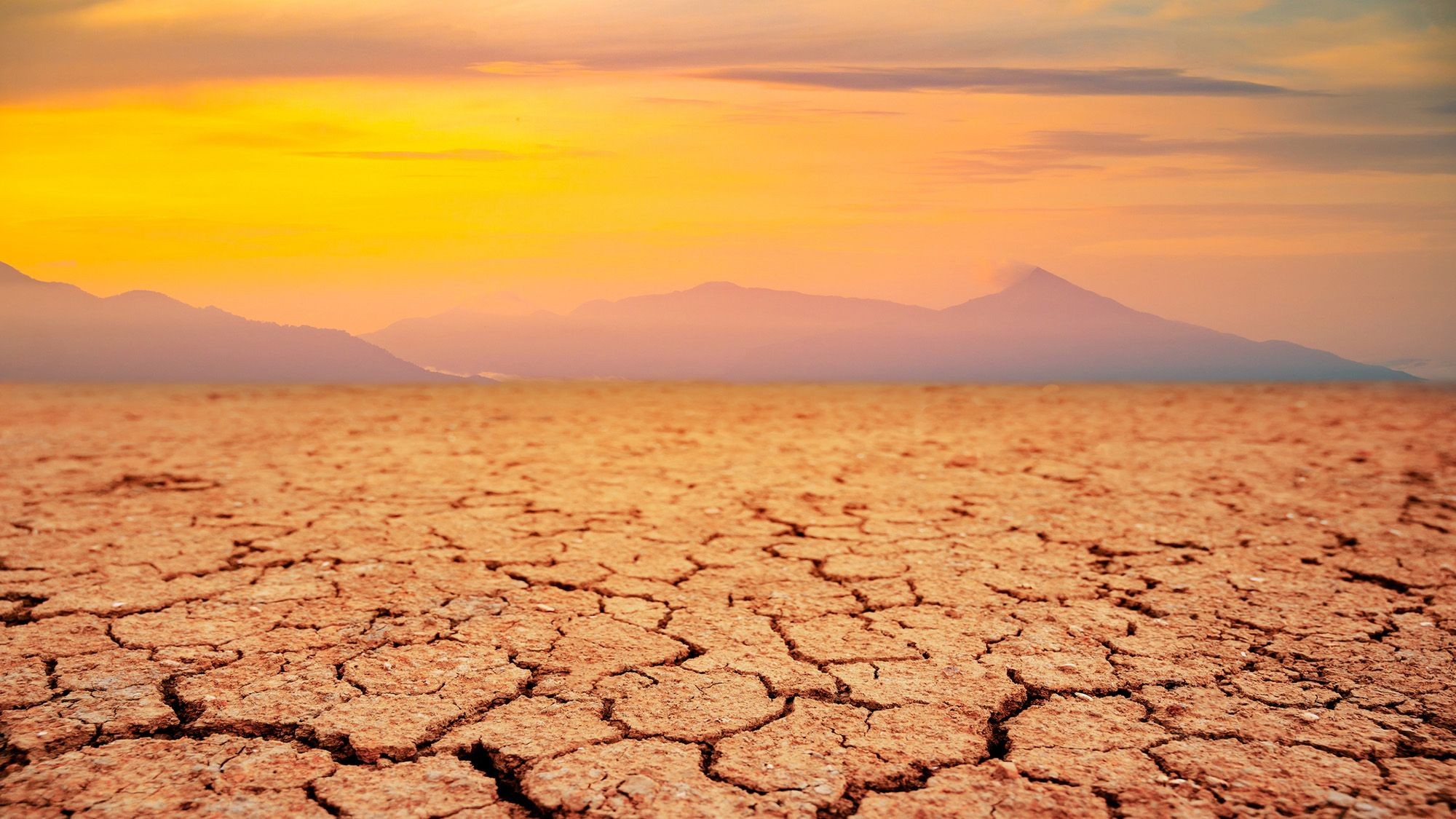
The clock is ticking. But slower than you thought.
New research says life on Earth isn’t going out anytime soon. Not relatively speaking anyway. The window just opened up. Significantly.
Our sun is getting louder. Hotter. Brighter. It’s currently churning out a third more energy than when this rock formed 4.5 billion years back. That’s just how stars age. It keeps cooking until the big finale in roughly five billion years. But what happens in between?
Scientists have argued about this for decades. Back in 1982 James Lovelock dropped a bombshell. He thought the photosynthetic basis of all our biology would collapse in 100 million years. That was the old deadline. A pretty grim timeline if you think about it. Since then other studies kept pushing that date back. But nobody moved it as far as this one.
“We were trying to show that life — complex vegetation — could survive much longer into the future than we previously thought,” said Jacob Haqq-Misra an astrobiologist who helped run the numbers.
They published this in May. The journal was JGR Atmospheres. The verdict? Plant life could hang around for another 1.8 billion years.
Why does that matter? Because around the 2-billion-year mark things get weird. The oceans boil off. Space radiation tears water molecules apart. It’s an absolute exit event. Getting close to that limit means Earth has a seriously long runway left.
The CO2 Trap
It comes down to two problems. Heat. And hunger.
Photosynthesis is the engine here. Plants algae and some bacteria grab sunlight and mix it with CO2 to make sugar and oxygen. Simple. Except when it isn’t.
There’s a ceiling on how hot photosynthesis can handle. Too hot and the machinery just stops. Food webs collapse. Game over. But there’s a second killer. As the sun burns brighter the atmosphere thins. Specifically the carbon dioxide levels drop. Plants starve.
“Earth stays hospitable because of a built-in thermostat.”
That’s Robert Graham from U of Chicago speaking. He wasn’t on this team but he knows the system. Here’s the catch: the thermostat stores CO2 in rock. Volcanoes let some out. Heat pulls some in. When it’s hotter the planet sucks carbon out of the air to cool things down. Smart system. Terrible for plants. They can’t breathe rocks.
So you have a planet trying to stay cool by hoarding the exact gas plants need to eat. A catch-22 written in stone.
Crassulacean Hacks
Haqq-Misra and Eric Wolf from Blue Marble Space didn’t just guess. They ran 29 different climate models. They looked at extremes. One side where it was too hot but CO2 stayed stable. The other side where CO2 vanished but temperature remained chill. Then they looked at the messy middle.
They accounted for efficiency. The Earth gets really good at stripping carbon from the air as temperatures climb. It’s aggressive chemistry.
Then they looked at the players. Not all plants are built the same. Some are survivors. Succulents. Orchids. Marine life.
These guys use something called crassulacean acid metabolism. Or they dissolve ocean carbon. They survive on scraps. Tiny amounts of CO2 are enough to keep the lights on for them. Previous models assumed standard plant efficiency. These guys found out that isn’t true for everything.
“It’s an advance. It suggests complex biospheres are more resilient than we thought.”
Graham was impressed. He said simpler models were off base. The new 3D models show the climate could remain habitable way past our old guesses. Resilience is underrated.
Don’t Count on It Being Perfect
Of course. Nobody is signing off on immortality yet.
Andrew Rushby from Birkbeck University was cautious. He called these broad estimates. A fair call. You can’t predict evolution over billions of years. Nobody has.
Life is sneaky. The limits we see now? Maybe those aren’t hard walls. Maybe they’re just suggestions. The current biosphere has constraints. The future one might not.
“Limits may only reflect today’s biosphere rather than what it might become.”
Haqq-Misra found that comforting. He’s not sure why he didn’t sleep better knowing the clock is ticking anyway. But knowing the system is robust feels good. Earth isn’t fragile. We are part of a stubborn thing.
This helps elsewhere too. Other planets. Other skies. If you know where the threshold is on Earth you can model atmospheres elsewhere. Generalizing physics is hard work. But you start at home.
What if the plants learn to breathe less? What if they change the rules?
We don’t know. We really don’t.


