


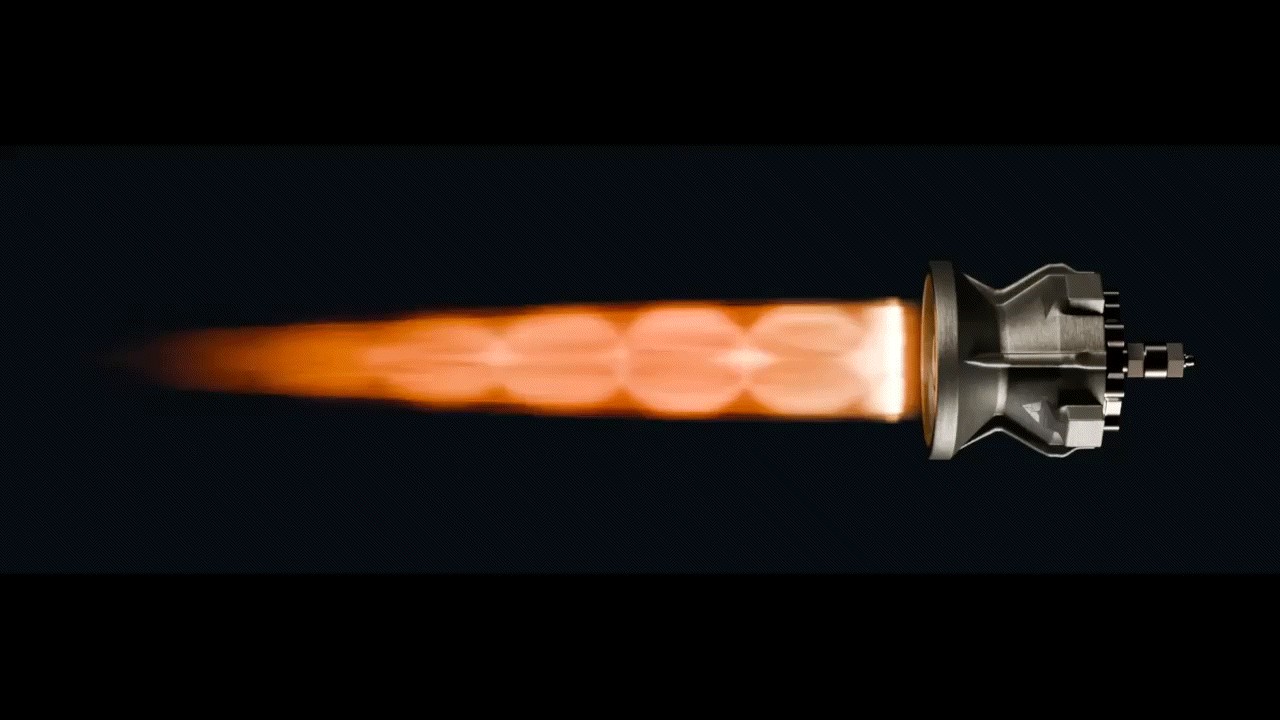
Houston company Venus Aerospace closed a $91 million Series B on June 8.
That’s not pocket change.
It’s enough to push their rotating detonation rocket engine — the RDRE — past the “cool prototype” phase and into scalable production. The plan is big. Bigger than most can manage. They want this thing everywhere. From the runway to orbit.
Last May, they proved the basics work. Their test vehicle flew from U.S. soil. It was the first RDRE flight from America. A first. Always important. Now they want to use the same basic tech to power aircraft hitting Mach 6 straight out of takeoff. Also satellites. Maybe lunar landers too.
The money came from Mercury Fund. Lockheed Martin Ventures joined in. A few others threw chips in. Sassie Duggleby, the co-founder and CEO, sees this as the bridge between lab theory and hardware that actually ships.
“Our customers need propulsion systems that go farther… We are advancing that capability with American engineering…”
Supply chains matter. Reliability matters. She wants U.S. defense and high-speed flight to lean on American makers.
How does it work? It breaks the usual rules. Standard engines burn fuel in a controlled chamber, then push it out a nozzle. Nice and steady.
The RDRE uses a ring-shaped chamber. Inside, a detonation wave spins. Constantly.
This creates higher pressure. More thrust. Less fuel burned. At least in theory. It’s not magic. It’s physics. Just applied differently.
Rotating detonation engines aren’t exactly new. Scientists have chased them for years. Mostly failing. Or leaving the result in the realm of science fiction. Venus changed that with the demo flight last year.
Even Pam Melroy noticed. Former NASA deputy administrator, former shuttle astronaut, current board member for Venus. She joined four months after the flight.
What separates Venus from the dreamers? Scale.
Andrew Duggleby, CTO and Sassie’s partner, doesn’t shy away from the hard stuff. It’s not enough that it flies. It has to be manufacturable. Reusable. Throttling matters.
He puts it bluntly.
“Our propulsion architecture combines efficiency… in a way that customers need…”
They aren’t just chasing speed. They are chasing operational reality. Defense needs gear that works today. Space needs gear that survives reentry.
The tech is there. The money is there. The question isn’t whether the physics holds up anymore. It’s whether they can build enough of them without burning cash on every iteration.
Only time tells if the engine turns as fast as their ambitions.


