Scientists found something worrying.
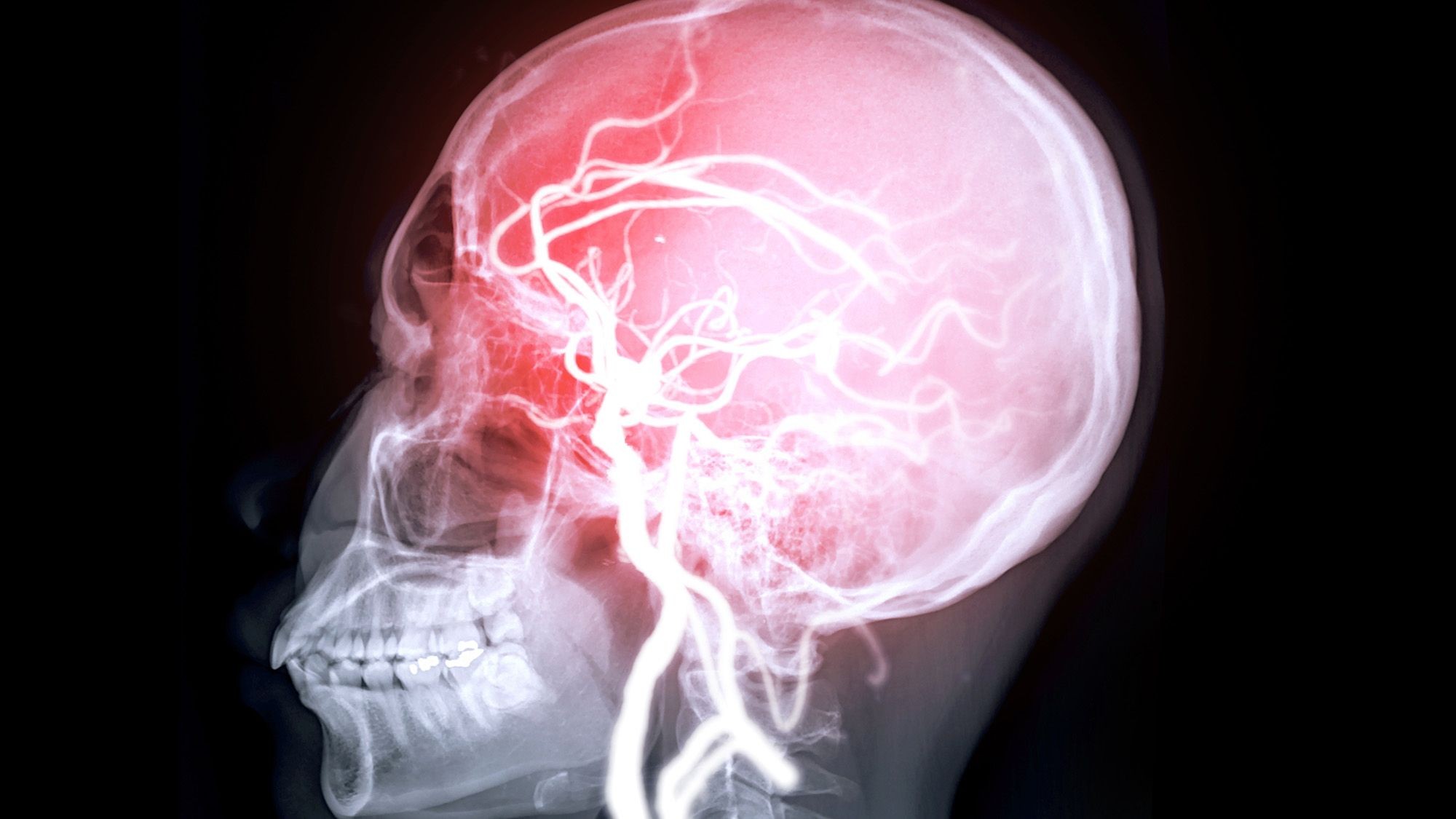
Mild heart trouble links to tiny, microscopic signs of damage in the brain.
The new study, published on Monday (July 6) The Journal of Neuroscience, didn’t prove causation. That would take more work. It did, however, strengthen the idea that keeping the connection between brain and heart healthy is non-negotiable for aging well.
A healthy lifestyle that protects the cardiovascular system benefits the brain just as much as it benefits the heart.
That’s Dr. Jan Scheitz. He runs the Brain-Heart Lab at Charité University Hospital in Berlin and wasn’t part of the study, but he gets it.
Preserve the link. Preserve the memory.
Why this matters now
Doctors could soon use routine heart tests to flag memory risk early.
Dr. Xia Zhang, who co-authored the research while working at the Max Planck Institute in Germany, sees the broader implication.
The brain shows subtle tissue-level changes linked to heart dysfunction before anyone notices shrinkage on a scan. Or clinical dementia.
We knew heart and brain talk to each other.
When they stop listening well, thinking problems follow.
Heart failure, atrial fibrillation, heart attacks. All of them restrict blood flow. They spark chronic inflammation. This combo cooks the brain, eventually leading to dementia.
But scientists only looked at people who were already sick.
They ignored the quiet changes happening earlier.
The data
73 patients. They went to Heart Center Leipzig complaining about heart issues. Some had confirmed coronary artery disease or heart failure.
95 control participants. No symptoms. Healthy.
Researchers measured how hard their hearts pumped at the start.
Then they waited.
About 3.5 years passed.
The group came back for cognitive testing. They got MRIs. A structural snapshot.
Here’s the kicker.
Participants whose hearts pumped less efficiently at baseline showed more tissue damage in their gray matter later.
It didn’t matter if they had a diagnosed heart failure label. The weak pump was enough.
Cognitive tests were only given to the 73 heart-patients. The battery covered attention, executive function, learning. And memory.
Memory was the only domain linked to weak pumping.
Weak pump meant more microscopic damage in memory-centric regions. Those changes matched lower test scores.
Stress hormones released by the heart also correlated with brain damage levels. But that link only showed up in people who already had clinical heart failure.
Surprise finding
What surprised Zhang?
Subtle reductions in pumping power tied to later brain changes even in people who didn’t meet the strict medical criteria for heart failure.
So your heart can be “borderline” sick. Your brain pays the price.
One caveat, of course.
The researchers didn’t take MRI scans at the beginning.
We don’t know if that micro-damage was there day one. Dr. Scheitz pointed this out. Zhang’s team plans to fix this in future work by tracking participants over multiple time points.
They want replication in bigger cohorts. More precise data on how cardiac function and brain microstructure shift together.
Not necessarily Alzheimer’s
The damage found in those 73 patients appeared in regions critical for memory. These same spots get wrecked in Alzheimer’s disease.
Zhang suggests this identifies a pathway. Poorer cardiac function contributes to memory problems.
But don’t panic yet.
Until tested directly, we can’t say these MRI changes point specifically to Alzheimer’s risk. The team didn’t measure Alzheimer’s-related proteins.
We just can’t conclude the patients are developing the disease.
What we can say? Exercise.
The study didn’t test exercise directly. But the findings explain why staying active keeps your head clear.
Regular exercise supports vascular health and cerebral blood-flow regulation, helping to protect brain tissue over time.
Keep pumping. Keep thinking.